

Sustainable Fashion in 2026: How Eco-Friendly Style Is Transforming Everyday Outfits

In 2026, sustainable fashion is no longer a niche movement—it’s a defining force shaping how people dress every day. What began as a conscious alternative has evolved into a mainstream expectation, influencing everything from casual streetwear to workwear essentials. Today’s consumers aren’t just asking what looks good—they’re asking what’s responsible, what lasts, and what aligns with their values.
At the heart of this shift is a growing awareness of fashion’s environmental footprint. From water-intensive production methods to textile waste, the traditional fashion industry has long faced scrutiny. Now, a new wave of eco-conscious innovation is rewriting the narrative. Brands are investing in organic fabrics, recycled materials, and low-impact dyes, while also rethinking supply chains to reduce carbon emissions.
Equally important is the rise of mindful consumption. In 2026, the idea of a “capsule wardrobe” has taken center stage. Instead of chasing fast-changing trends, consumers are curating versatile outfits—timeless pieces that can be styled in multiple ways. Neutral tones, durable fabrics, and functional designs are dominating wardrobes, proving that sustainability and style can coexist seamlessly.
Technology is playing a crucial role in accelerating this transformation. Digital fashion platforms and AI-powered styling tools are helping shoppers make smarter choices, recommending outfits based on longevity, material impact, and personal usage patterns. Virtual try-ons are reducing return rates, cutting down unnecessary shipping emissions. Meanwhile, blockchain-backed transparency is allowing buyers to trace exactly where and how their clothes are made.
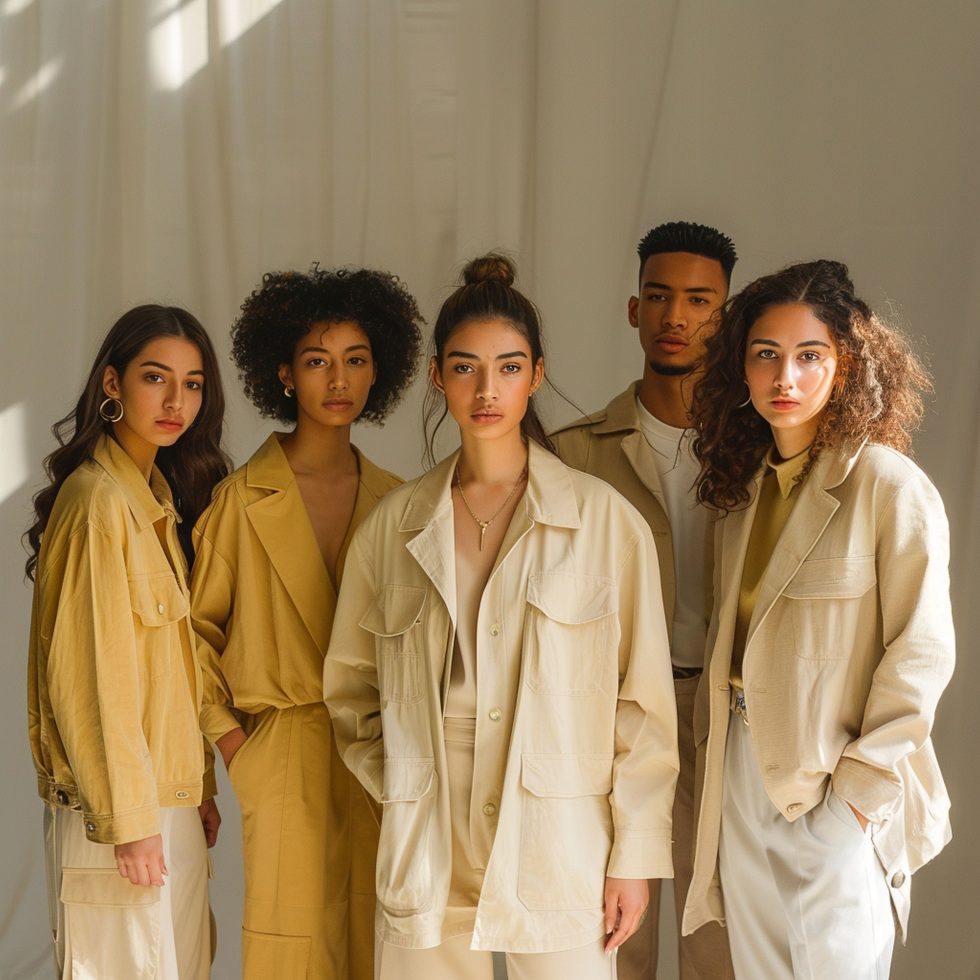
Another significant trend is the resurgence of second-hand and upcycled fashion. Thrift culture has shed its old stigma and is now celebrated as both stylish and environmentally responsible. Young consumers, especially Gen Z, are embracing pre-loved clothing as a form of self-expression—mixing vintage finds with modern staples to create unique, personalized looks.
Workwear, too, has adapted to this shift. Hybrid lifestyles have driven demand for clothing that is both comfortable and sustainable. Breathable fabrics, relaxed silhouettes, and ethically produced basics are redefining office fashion. The result is a wardrobe that transitions effortlessly from home to workplace while maintaining a reduced environmental impact.
Importantly, sustainability in fashion is no longer just about materials—it’s about longevity and emotional value. Consumers are forming deeper connections with what they wear, choosing fewer items but investing in better quality. Repair, reuse, and restyle have become everyday habits, extending the life cycle of garments and reducing waste.
As we move further into 2026, sustainable fashion is setting a new standard for the industry. It’s not just influencing trends—it’s reshaping behavior, expectations, and the very definition of style. The modern outfit is no longer judged solely by appearance, but by the story it tells: one of responsibility, innovation, and conscious living.
For readers and shoppers alike, the message is clear—fashion’s future isn’t just stylish. It’s sustainable.

Comments are closed.