


From Side Hustle to Global Career — The Digital Fame Revolution Is Here
The internet has officially changed the meaning of success. In 2026, becoming a creator is no longer just a trend — it’s a career dream for millions. From short-video influencers and gamers to podcasters, fashion vloggers, fitness coaches, and AI-powered content creators, the creator economy has transformed ordinary people into global digital celebrities overnight.
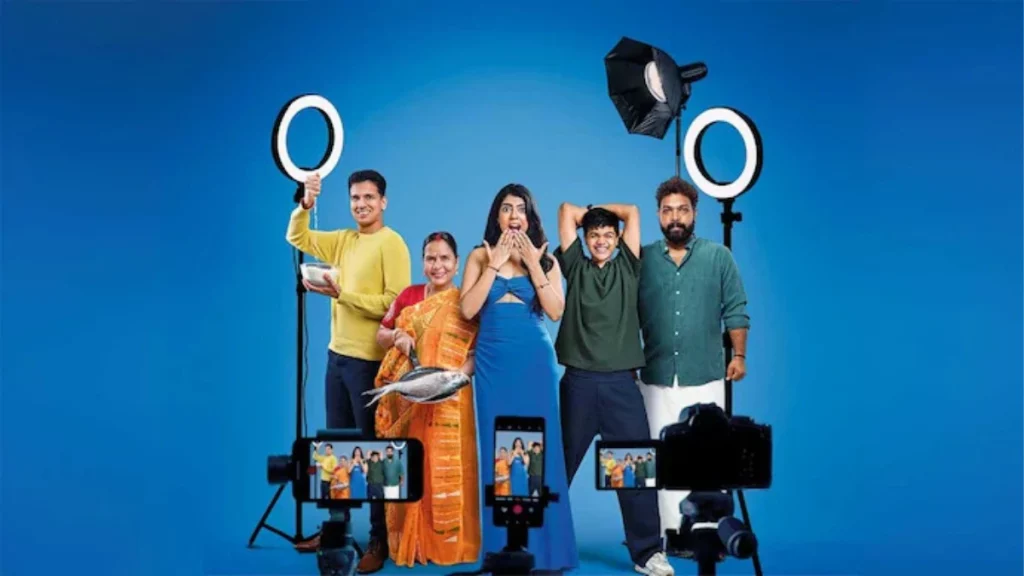
Today, smartphones are production studios, Instagram pages are personal brands, and YouTube channels are modern-day businesses. Whether it’s a college student reviewing sneakers, a chef sharing street-food recipes, or a gamer streaming late-night sessions, everyone wants a piece of the creator economy boom.
And honestly, the numbers prove why.
According to industry reports, the global creator economy is expected to cross hundreds of billions in value over the next few years, driven by platforms like YouTube, Instagram, TikTok, and Spotify. What started as a hobby culture has now become one of the fastest-growing digital industries in the world.
The Rise of the Everyday Influencer
A decade ago, celebrity culture belonged mostly to movie stars, athletes, and television personalities. But in 2026, creators are the new celebrities.
The biggest shift in digital culture is authenticity. Audiences today connect more with relatable personalities than polished perfection. They want creators who feel real, accessible, and honest.
This is why lifestyle vloggers, meme creators, regional-language influencers, and niche content experts are growing faster than traditional celebrities online. People no longer follow creators just for entertainment — they follow them for trust, inspiration, community, and identity.
In India especially, regional content has exploded across Tamil, Telugu, Malayalam, Hindi, Kannada, and Bengali platforms. Local storytelling has become global entertainment.
Why Gen Z Is Obsessed With Digital Fame
For Gen Z, content creation is more than social media attention. It represents freedom.
Unlike traditional careers, creators can build audiences from anywhere, work independently, collaborate globally, and monetize their passion directly. A teenager with editing skills and creativity can now build a career faster than ever before.
The appeal is obvious:
- Flexible work lifestyle
- Brand collaborations
- Fan communities
- Viral fame
- Financial independence
- Creative freedom
In many ways, the creator economy has become the modern startup culture.
AI Is Changing the Creator Game
Artificial Intelligence is also reshaping the digital creator landscape. AI editing tools, virtual influencers, automated captions, voice cloning, and content-generation software are making production faster and smarter.
Creators are now using AI to:
- Edit videos instantly
- Generate thumbnails
- Create music and voiceovers
- Analyze audience engagement
- Build virtual avatars
- Write scripts and captions
The future of content is becoming a blend of human creativity and AI-powered speed.
But despite all the technology, audiences still value originality. The creators winning in 2026 are the ones balancing technology with personality.
Brands Are Investing Billions Into Creators
The marketing industry has completely shifted toward influencer-driven advertising. Brands now prefer creators over traditional commercials because audiences trust real people more than polished ads.
Fashion brands, gaming companies, tech startups, fitness apps, OTT platforms, and even automobile companies are investing heavily in creator partnerships.
From micro-influencers with 20,000 followers to mega creators with millions of fans, digital influence has become serious business.
In fact, some creators today earn more through sponsorships, memberships, and exclusive content than mainstream entertainers.
The Dark Side of Digital Stardom
However, the creator economy also comes with pressure.
Constant posting, algorithm competition, online trolling, burnout, and maintaining relevance can become mentally exhausting. Many creators struggle with balancing personal life and public image.
In 2026, conversations around creator mental health, digital detox culture, and online authenticity are becoming equally important as follower counts.
Because behind every viral reel is a human trying to stay visible in a nonstop digital world.
The Future of the Creator Economy
One thing is clear — the creator economy is only getting bigger.
With faster internet, AI-powered tools, regional audiences, immersive content, and growing digital consumption, creators are becoming the next generation of entrepreneurs, entertainers, and cultural icons.
The future belongs to people who can tell stories, build communities, and adapt quickly in the digital age.
In 2026, everyone doesn’t just consume content anymore.
Everyone wants to become the content.

Comments are closed.