


Discover the Unique Ways India Celebrates Diwali from North to South
Diwali, popularly known as the Festival of Lights, is one of India’s most cherished and widely celebrated festivals. Symbolizing the victory of light over darkness and good over evil, Diwali transcends regional, cultural, and linguistic boundaries. While the spirit of the festival remains the same across the country, each state adds its own unique traditions, customs, and flavors to the celebrations.
As India continues to embrace its rich cultural heritage in 2026, Diwali remains a shining example of unity in diversity. Let’s explore how different regions of India celebrate this grand festival.
North India: Celebrating Lord Rama’s Return
In states such as Uttar Pradesh, Delhi, Punjab, Haryana, and Rajasthan, Diwali commemorates the return of Lord Rama, Goddess Sita, and Lord Lakshmana to Ayodhya after 14 years of exile and the defeat of Ravana.
Homes are decorated with vibrant diyas, rangolis, and fairy lights. Families perform Lakshmi Puja, exchange sweets, and gather for festive feasts. Markets come alive with decorations, gifts, and traditional clothing, creating a festive atmosphere throughout the region.
West India: Prosperity, Business, and New Beginnings
In Gujarat and Maharashtra, Diwali is closely associated with wealth, prosperity, and new beginnings. Business communities celebrate the festival by worshipping account books and starting new financial records for the upcoming year.
Lakshmi Puja is the highlight of the celebrations, while beautifully illuminated homes and bustling shopping districts showcase the festive spirit. Traditional sweets such as Karanji, Chakli, and Shankarpali are enjoyed by families and visitors alike.
South India: The Triumph of Good Over Evil
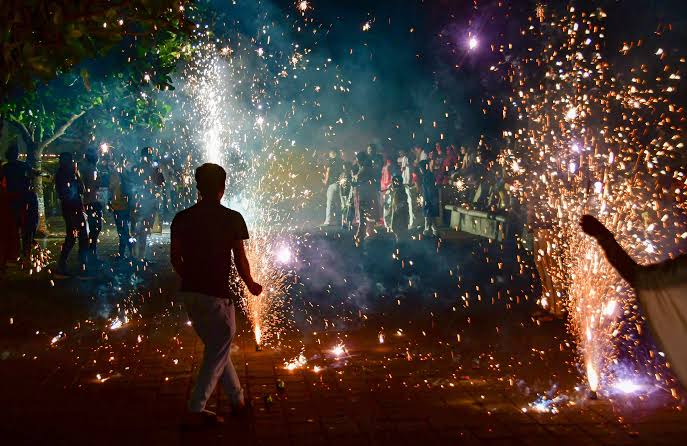
In Tamil Nadu, Karnataka, Andhra Pradesh, Telangana, and Kerala, Diwali is often linked to the victory of Lord Krishna over the demon Narakasura.
The day begins early with ritual oil baths, new clothes, temple visits, and festive meals. Families exchange gifts and sweets while participating in religious ceremonies that emphasize spiritual cleansing and renewal. Traditional South Indian delicacies add a distinct regional flavor to the celebrations.
East India: Honoring Goddess Kali
In West Bengal, Odisha, and parts of Assam, Diwali coincides with Kali Puja. Devotees worship Goddess Kali, seeking protection, strength, and blessings.
Elaborate pandals, artistic decorations, and cultural performances characterize the celebrations. Homes and temples glow with lamps and candles, while communities gather for prayers and festive activities that continue late into the night.
The Universal Traditions of Diwali
Despite regional differences, several customs unite Diwali celebrations across India:
- Lighting diyas and lamps to symbolize positivity and hope.
- Performing Lakshmi Puja for wealth and prosperity.
- Decorating homes with colorful rangoli designs.
- Sharing sweets and festive meals with family and friends.
- Exchanging gifts as a gesture of love and appreciation.
- Wearing traditional attire and participating in community celebrations.
These traditions reflect the core values of Diwali—joy, gratitude, togetherness, and renewal.
Diwali in Modern India
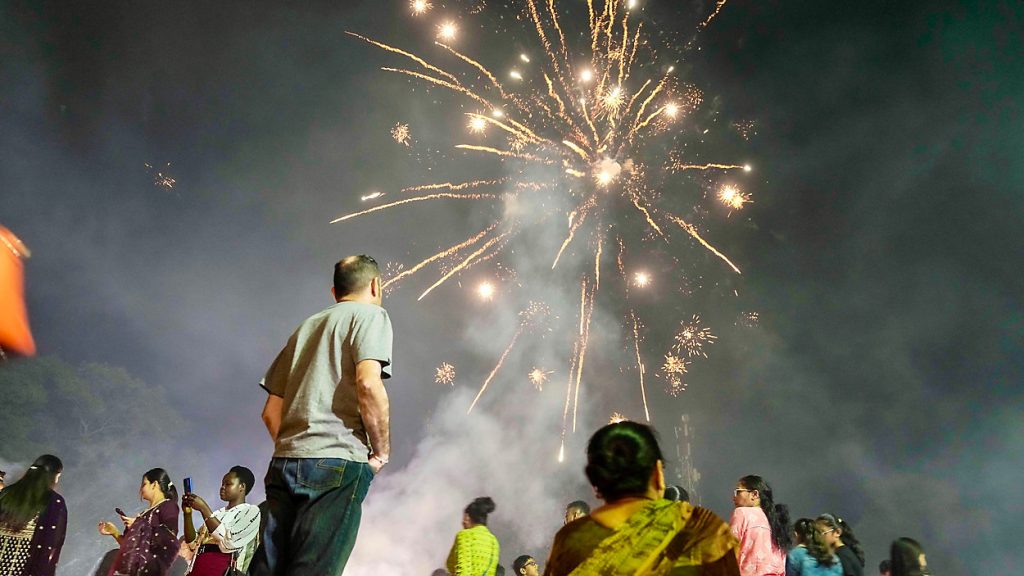
Today’s Diwali celebrations blend tradition with modern lifestyles. Eco-friendly decorations, sustainable gifting, digital greetings, and community-driven initiatives are becoming increasingly popular. Many families are also choosing greener celebrations by reducing firecracker usage and promoting environmental awareness.
Social media platforms have further transformed the festival into a nationwide cultural event, allowing people to share traditions, recipes, decorations, and festive moments with audiences around the world.
Why Diwali Continues to Inspire Millions
Diwali is more than a religious festival—it is a celebration of hope, resilience, and human connection. Whether it is the grand festivities of North India, the business traditions of the West, the spiritual customs of the South, or the devotional celebrations of the East, Diwali showcases the cultural richness that defines India.
As the Festival of Lights continues to evolve with changing times, its timeless message remains unchanged: goodness triumphs over evil, light conquers darkness, and unity shines brighter than division.
Conclusion
Diwali traditions across India beautifully demonstrate how one festival can be celebrated in countless ways while preserving a shared spirit of joy and togetherness. This remarkable blend of regional diversity and national unity makes Diwali one of the most extraordinary cultural celebrations in the world.

Comments are closed.