


The global automotive industry is undergoing its most profound transformation in over a century. What began as a niche experiment in sustainable transport has evolved into a full-scale revolution—one powered not by petrol or diesel, but by electricity. From bustling city streets to long highway drives, electric vehicles (EVs) are no longer a glimpse of the future—they are the present, accelerating rapidly toward mainstream dominance.
A Shift Driven by Urgency and Innovation
At the heart of the electric revolution lies a pressing need: climate change. Governments, corporations, and consumers are increasingly aligned in their mission to reduce carbon emissions. Electric vehicles, with zero tailpipe emissions, are positioned as a critical solution. Countries like Norway have already demonstrated what a near-electric future looks like, with EVs accounting for the majority of new car sales.
Automakers are responding with unprecedented speed. Industry giants such as Tesla, Hyundai, and Tata Motors are investing billions into EV technology, battery innovation, and charging infrastructure. The race is no longer about horsepower—it’s about kilowatts, range, and efficiency.
India’s Electric Awakening
India, too, is embracing the electric wave with growing enthusiasm. With rising fuel prices and increasing environmental awareness, EV adoption is steadily gaining momentum. Government initiatives like FAME (Faster Adoption and Manufacturing of Hybrid and Electric Vehicles) are incentivizing both manufacturers and consumers to make the switch.
Homegrown brands such as Tata Motors have emerged as leaders in India’s EV market, offering practical and affordable electric cars tailored for Indian roads. Meanwhile, startups and global players alike are eyeing the Indian market as the next big frontier.
Charging Ahead: Infrastructure & Technology
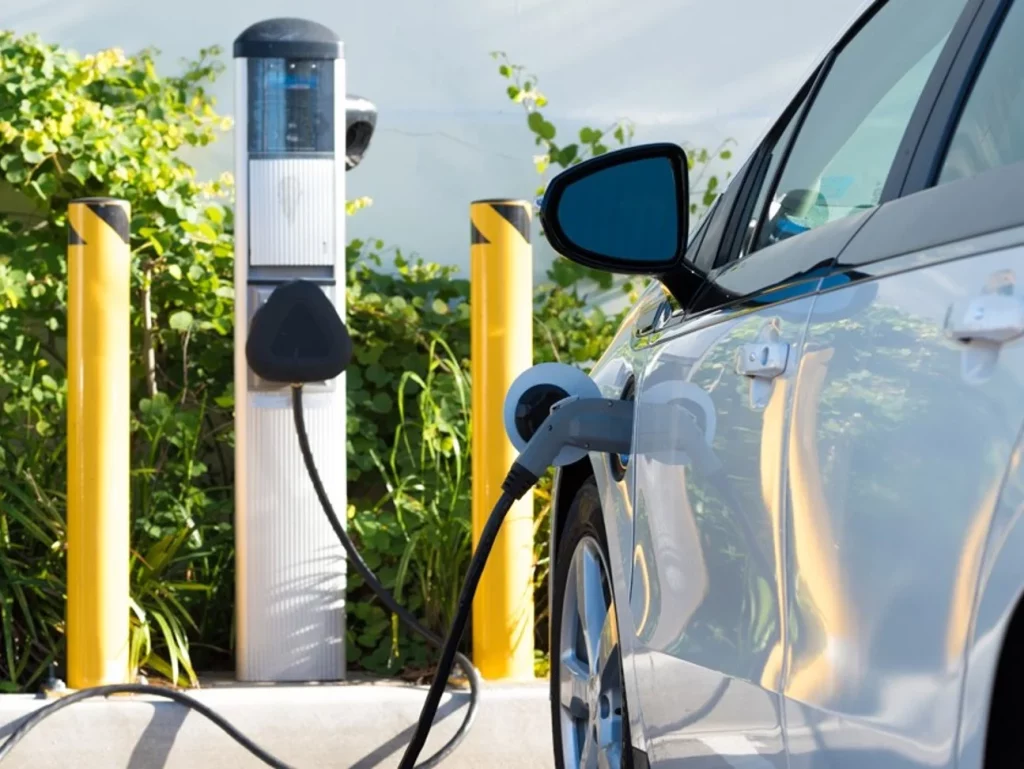
One of the most critical aspects of the EV revolution is infrastructure. Charging stations are expanding across urban and semi-urban areas, reducing “range anxiety” and making EV ownership more practical than ever. Fast-charging technology is also evolving, with some models capable of reaching 80% charge in under an hour.
Battery technology remains the cornerstone of this transformation. Advances in lithium-ion batteries, along with research into solid-state alternatives, promise longer ranges, faster charging, and improved safety. As battery costs continue to fall, EVs are becoming increasingly competitive with traditional internal combustion engine vehicles.
Beyond Cars: A Holistic Mobility Shift
The electric revolution extends beyond personal vehicles. Electric two-wheelers, buses, and even commercial fleets are gaining traction, particularly in densely populated regions. Companies are electrifying logistics fleets, while cities are introducing electric public transport to reduce urban pollution.
Ride-sharing platforms and delivery services are also transitioning toward electric fleets, further embedding EVs into everyday life. This shift is not just technological—it’s cultural, signaling a broader move toward sustainable living.
Challenges on the Road Ahead
Despite the momentum, challenges remain. Charging infrastructure, though expanding, is still unevenly distributed. Battery recycling and raw material sourcing pose environmental and ethical concerns. Additionally, the upfront cost of EVs, while decreasing, can still be a barrier for many consumers.
However, with continued innovation, policy support, and consumer awareness, these hurdles are expected to diminish over time.
The Road Forward
The electric revolution in automobiles is not a passing trend—it is a defining movement of our era. As technology advances and adoption accelerates, the question is no longer if electric vehicles will dominate, but when.
For consumers, this means more choices, better performance, and a cleaner conscience. For the planet, it signals a crucial step toward sustainability. And for the automotive industry, it marks the beginning of a bold, electrified future.

Comments are closed.