

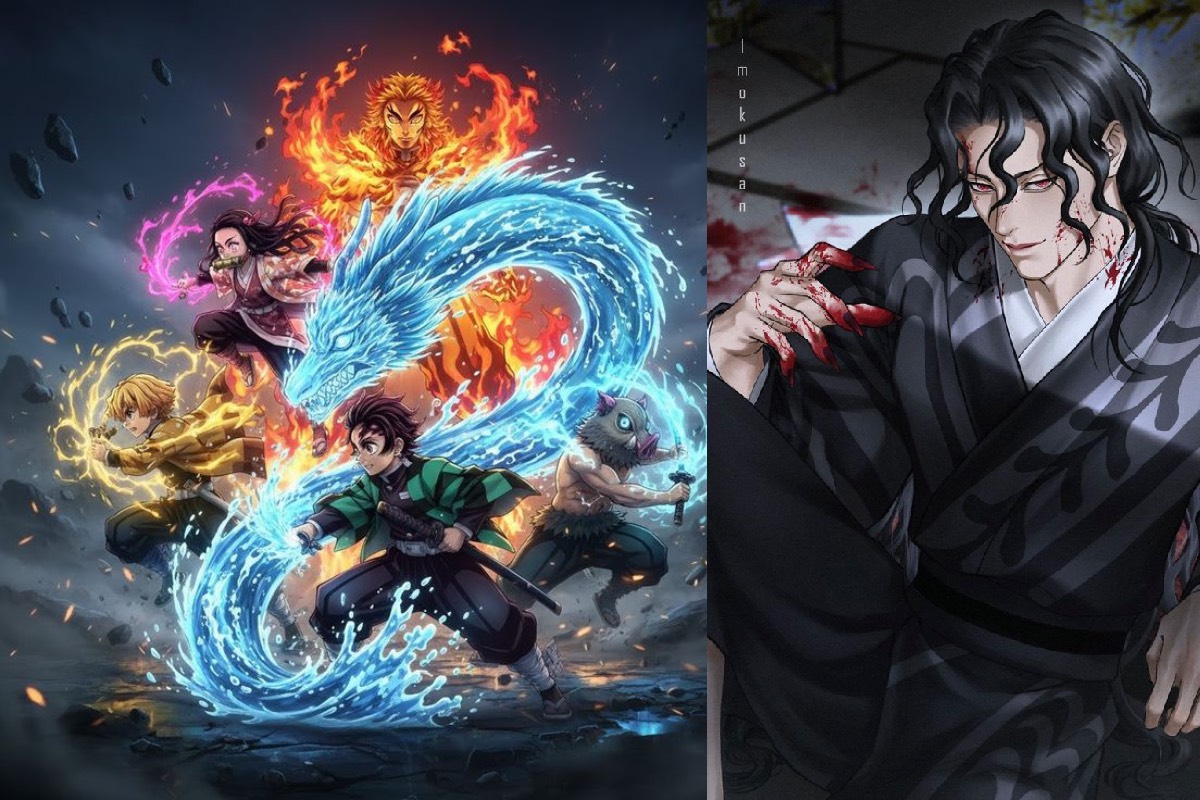

Some anime are made to be watched once. Others demand a rewatch—not out of nostalgia alone, but because they reveal more with every viewing. Demon Slayer: Kimetsu no Yaiba firmly belongs to the second category.
Rewatching Demon Slayer isn’t just about reliving epic fights or breathtaking animation. It’s about rediscovering emotional depth, hidden details, and character journeys that often go unnoticed the first time around.
The Story Hits Deeper the Second Time
On the surface, Demon Slayer tells a straightforward tale: a young boy loses his family to demons and sets out to protect his demon-turned sister while seeking justice. But on a rewatch, the story feels far more layered.
Knowing the fates of certain characters adds emotional weight to early scenes. Simple moments—shared meals, quiet conversations, fleeting smiles—carry a bittersweet undertone when you realize how fragile happiness is in this world.
The pacing, often criticized by first-time viewers as “slow,” actually feels intentional when revisited. Every arc carefully builds emotional stakes rather than rushing toward spectacle.
Animation That Deserves to Be Rewatched
The animation in Demon Slayer isn’t just visually stunning—it’s purposeful. On a rewatch, the craftsmanship becomes clearer.
-
Subtle lighting shifts mirror emotional tension
-
Color palettes change based on mood and danger
-
Breathing styles are animated with distinct rhythm and personality
Fight scenes feel less like action sequences and more like moving art. You begin to appreciate how each sword swing, camera angle, and sound cue is designed to amplify emotion rather than just excitement.
This is anime that rewards attention.
Characters Feel More Human the Second Time Around
Tanjiro’s Quiet Strength
Tanjiro’s kindness can feel almost unreal at first. But rewatching reveals how his compassion is not weakness—it’s survival. His empathy humanizes even his enemies, making their defeats feel tragic rather than triumphant.
Nezuko’s Silent Growth
Nezuko speaks very little, yet her emotional presence grows stronger with each rewatch. Her expressions, body language, and protective instincts say more than dialogue ever could.
The Hashira Make More Sense
On a first watch, the Hashira can seem extreme or intimidating. Rewatching helps you understand their trauma, discipline, and emotional armor. Their harshness is rooted in loss, not cruelty.
Villains Aren’t Just Villains
One of Demon Slayer’s strongest qualities is its treatment of antagonists. Demons are not evil for the sake of being evil—they are broken humans shaped by suffering.
Rewatching allows you to notice:
-
How human emotions linger even after transformation
-
How memory fragments haunt demons before death
-
How mercy and violence coexist in Tanjiro’s actions
The series constantly asks an uncomfortable question: What if circumstances were different? On rewatch, this question feels louder.
The Soundtrack Hits Harder
The music in Demon Slayer doesn’t demand attention—but it commands emotion. Familiar tracks evoke immediate feelings when heard again.
Themes associated with grief, resolve, and sacrifice feel heavier once you know what lies ahead. Silence is used just as powerfully as music, creating moments that linger long after the episode ends.
This is a soundtrack that grows with the viewer.
Why Demon Slayer Is Perfect Rewatch Material
-
The story gains emotional depth
-
Visual details become clearer
-
Character motivations feel richer
-
Music and silence feel intentional
-
Tragedy and hope coexist beautifully
Unlike many action-heavy anime, Demon Slayer isn’t about power escalation alone. It’s about endurance, empathy, and choosing humanity even in darkness.
Final Thoughts
Rewatching Demon Slayer feels like reading a familiar book and discovering new meaning between the lines. What once felt like a visually stunning anime reveals itself as a deeply emotional narrative about loss, love, and resilience.
It’s rare for a series to improve on repeat viewings—but Demon Slayer does exactly that.
If you’ve already watched it once, rewatch it—not for the fights, but for the feelings you missed the first time.
by [aruntrion]
https://www.instagram.com/arun_trion/

Comments are closed.