


In a country where festivals are deeply rooted in tradition, a new kind of celebration is quietly
 reshaping the cultural landscape. The Olam Festival has emerged as a modern lifestyle carnivalthat blends music, food, fashion, entrepreneurship, and youth culture into one immersiveexperience. Unlike conventional festivals tied to religion or regional rituals, Olam represents a shift—an evolution of how India celebrates itself in the 21st century.At its core, Olam is not just an event; it is a reflection of a generation that is global in exposure yet deeply local in identity. Across cities like Chennai, Bengaluru, and Hyderabad, lifestyle festivals have gained traction over the past decade, but Olam stands out for its curated, experience-driven approach. It brings together independent creators, homegrown brands, artists, chefs, and performers under one vibrant umbrella. One of the defining aspects of the Olam Festival is its focus on independent and emerging talent.From sustainable fashion labels to handcrafted jewelry brands, the festival creates a market placethat prioritizes originality over mass production. Visitors don’t just shop—they discover stories behind products. Each stall often represents months or years of passion, experimentation, and
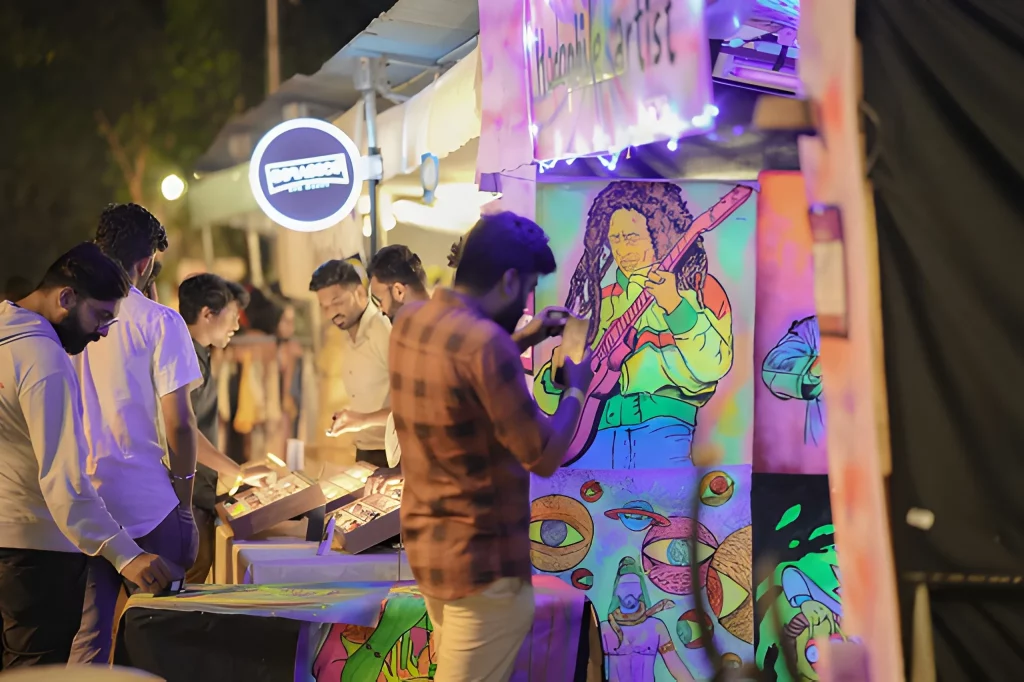 craftsmanship.
Food is another major highlight of the Olam experience. Unlike traditional food festivals that focus
on regional cuisines, Olam celebrates fusion and innovation. You might find a South Indian-inspired
taco next to Korean street food, artisanal desserts alongside cold brew coffee experiments. This
culinary diversity mirrors the evolving tastes of urban India, where boundaries between cuisines are
constantly being redefined.
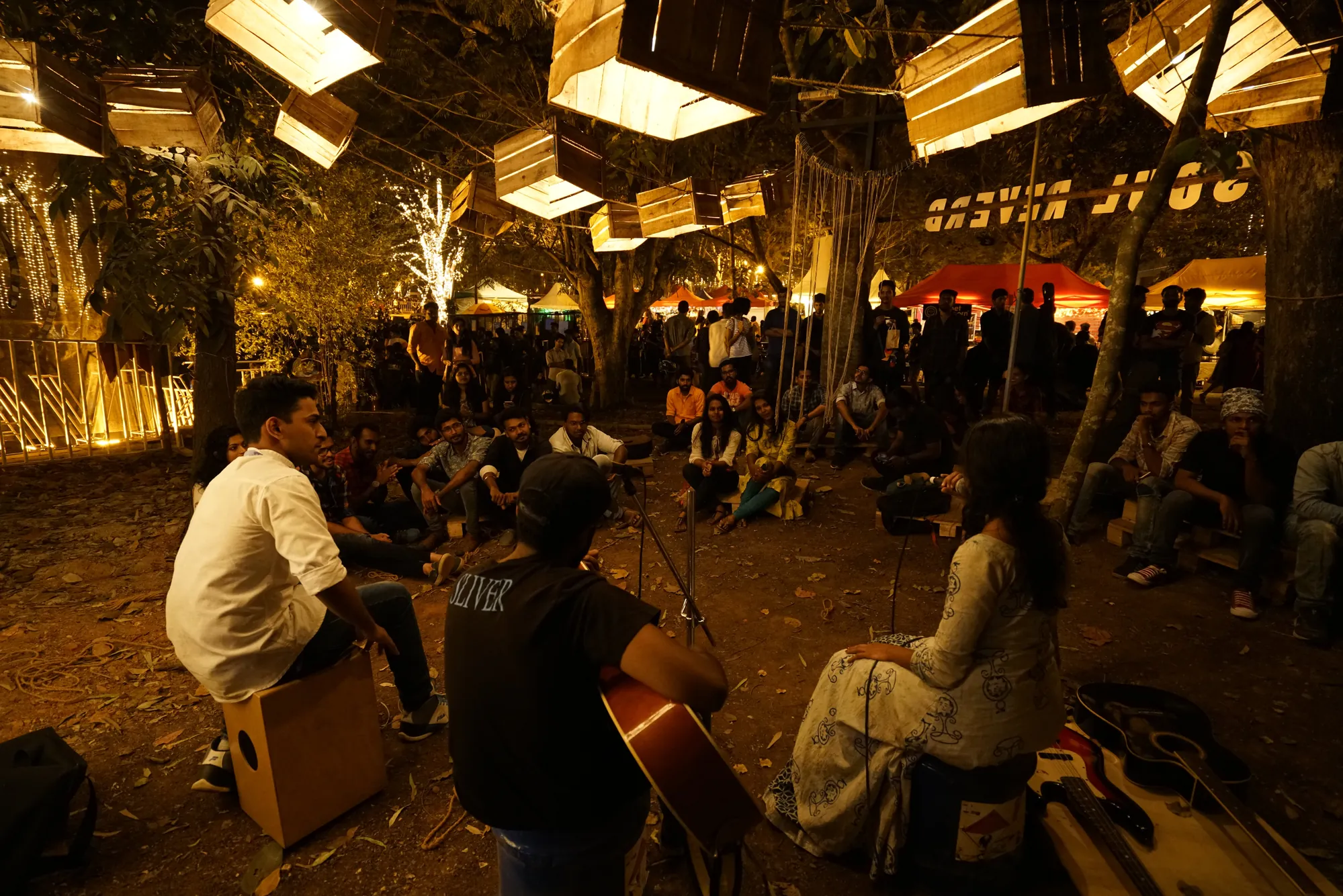
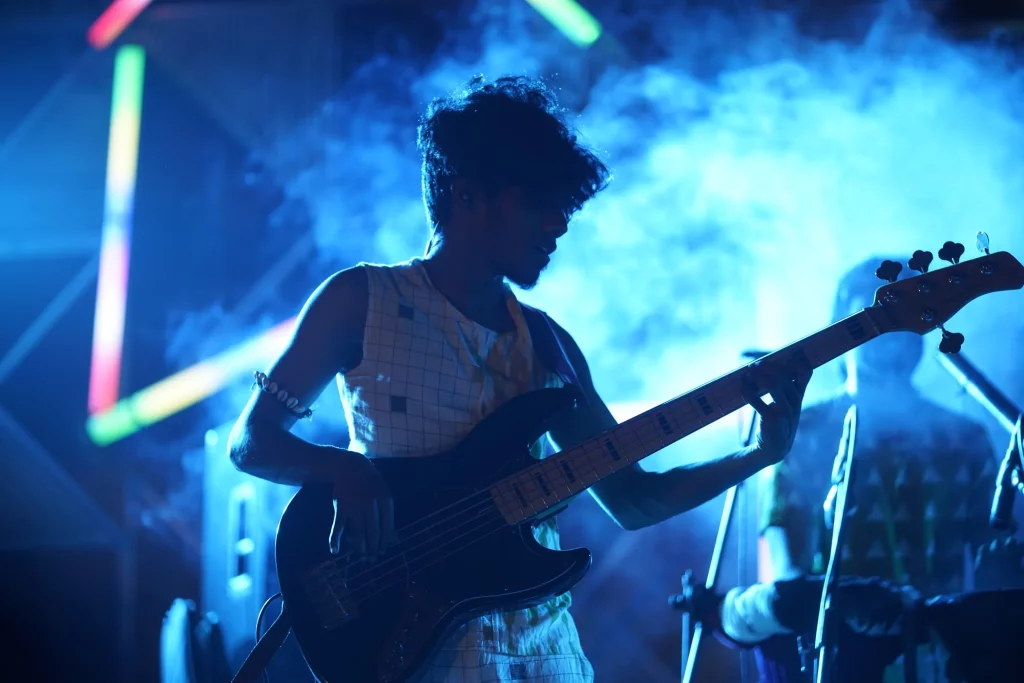
Music and entertainment form the heartbeat of the festival. Live performances range from indie
bands and DJs to spoken word artists and experimental performers. The lineup is typically curated
to appeal to younger audiences who are seeking alternatives to mainstream Bollywood
entertainment. This gives a platform to voices that might otherwise remain unheard in larger
commercial circuits.
What makes Olam particularly relevant today is its alignment with the creator economy. In recent
years, India has seen a surge in digital creators, influencers, and small business owners. Olam acts
as a physical extension of this digital movement, allowing creators to connect with their audience in
real life. For many small brands, participation in such festivals can significantly boost visibility and
sales.
Sustainability is another theme that is increasingly woven into the Olam narrative. Many vendors
focus on eco-friendly materials, ethical sourcing, and conscious consumption. While not every
aspect of the festival is fully sustainable, there is a visible effort to promote awareness andencourage responsible choices among attendees.
The audience at Olam reflects the changing face of India’s urban population. Young professionals,
students, entrepreneurs, and families come together in a space that feels both aspirational and
accessible. Social media plays a crucial role in amplifying the festival’s reach, with Instagram and
short-form video platforms turning moments from the event into viral content.
However, the rise of lifestyle festivals like Olam also raises important questions. Are these events
inclusive, or do they cater primarily to a niche, urban audience? Ticket pricing, brand positioning,
and location choices often determine accessibility. While Olam has made efforts to remain relatively
affordable, it still largely appeals to a specific demographic.
Despite these challenges, the impact of Olam cannot be overlooked. It represents a broader
cultural shift where experiences are valued as much as, if not more than, possessions. For many
attendees, the festival is not just about shopping or entertainment—it’s about being part of a
community that celebrates creativity, individuality, and innovation.

Comments are closed.