

India’s Automotive Power Shift: How Mahindra and Tata Redefined the Market in 2025
by Aditya P Kandasamy Final year Mechanical Engineering Student by Profession & Automobile Enthusiast by Passion

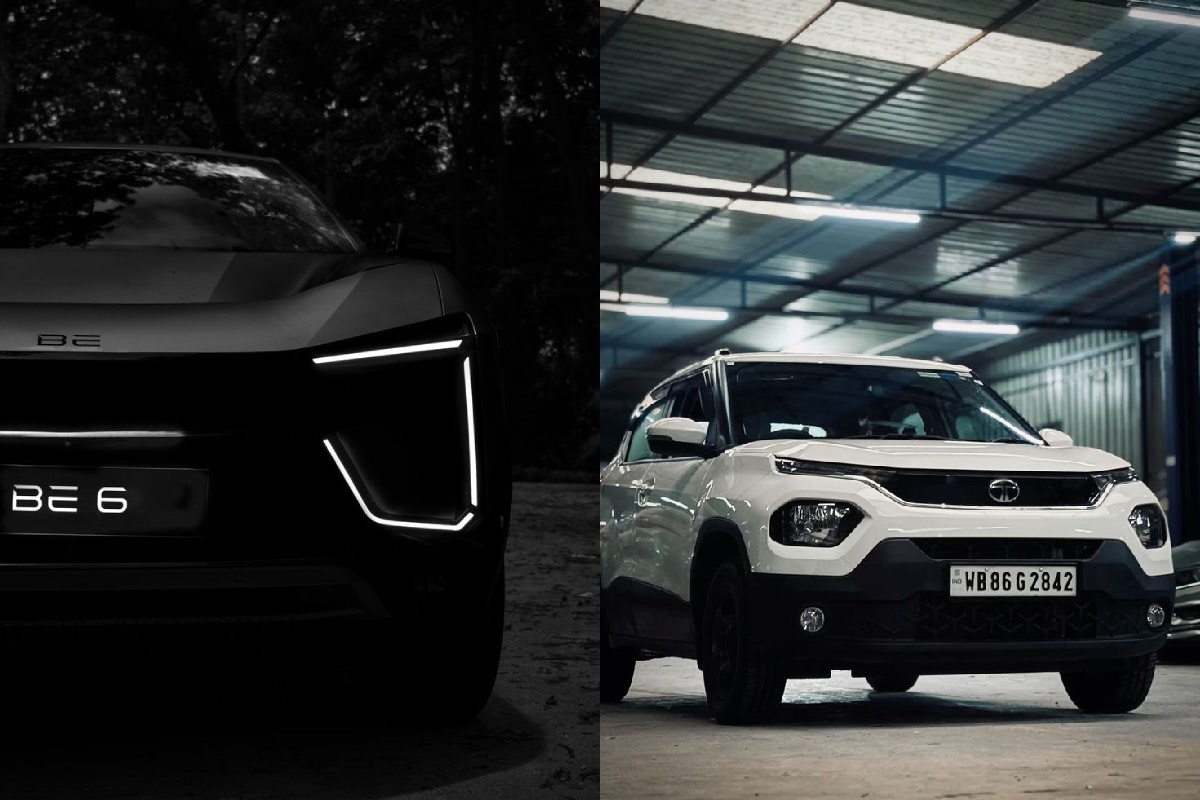
The Indian automotive landscape underwent a decisive shift in 2025 as Mahindra rose to the No. 2 position and Tata Motors secured No. 3, surpassing several long-established global manufacturers. This change reflects more than altered rankings — it signals a fundamental realignment in consumer expectations, product strategy, and market maturity.
Indian manufacturers are no longer competing on value alone. They are shaping buyer behaviour through relevance, engineering confidence, and long-term product planning.
A Market Driven by Informed Buyers
Indian car buyers are now more analytical and informed than ever. Purchase decisions are increasingly influenced by safety performance, reliability, ownership value, and suitability for Indian conditions rather than brand legacy. Market indicators point to growing preference for products that offer real-world durability, consistent service experience, and strong resale value.
This evolution has favoured manufacturers capable of designing vehicles specifically for Indian usage rather than adapting global platforms. As a result, domestic OEMs have gained measurable ground in both volume stability and consumer trust.
Mahindra: Product Strength as a Market Driver
Mahindra’s rise to second place reflects a focused, product-driven strategy built around capable SUVs such as the Scorpio-N, XUV700, Thar, and XUV3XO. These models have performed strongly across urban and semi-urban markets, supported by improved production stability and reduced waiting periods.
The brand’s emphasis on mechanical strength, relevant technology, and performance reliability has translated into sustained demand. Rather than relying on pricing aggression, Mahindra has strengthened its position through engineering credibility, platform consistency, and strong value retention.
Tata Motors: Stability Anchored in Safety and Trust
Tata Motors’ climb to third position is the result of long-term consistency rather than rapid expansion. Its portfolio — including the Nexon, Punch, Harrier, and Safari — continues to perform steadily, supported by strong safety credentials and improved build quality.
The brand’s ability to maintain volumes across segments reflects growing consumer confidence, particularly among family and first-time buyers. With a wide service network and controlled cost of ownership, Tata has reinforced its position as a dependable and scalable manufacturer.
Electrification as a Strategic Lever
Electrification has become a defining force in reshaping the market. Tata Motors’ early investments have positioned it as a leader in the passenger EV space, aided by increasing infrastructure readiness and rising consumer acceptance. Models such as the Nexon EV and Tiago EV have helped transition electric mobility from niche adoption to practical use.
Mahindra’s newly launched BE6 and XEV9E and the latest kid on the block the XEV9S and its upcoming electric portfolio, built on the INGLO EV architectures, signals the next phase of competition. As regulatory direction and fuel economics evolve, electrification is no longer optional — it is central to long-term growth strategies.
A Structural Shift in the Industry
The rise of Mahindra and Tata represents a structural transformation rather than a cyclical shift. Indian manufacturers are now capable of developing scalable platforms, integrating advanced technologies, and responding quickly to market demands.
The 2025 rankings reinforce a broader reality: Indian automobile brands has reached a stage where it can levaerage technology and engineering with confidence. As mobility evolves toward electrification and connectivity, domestic brands are no longer following global trends — they are increasingly shaping them.

Comments are closed.