

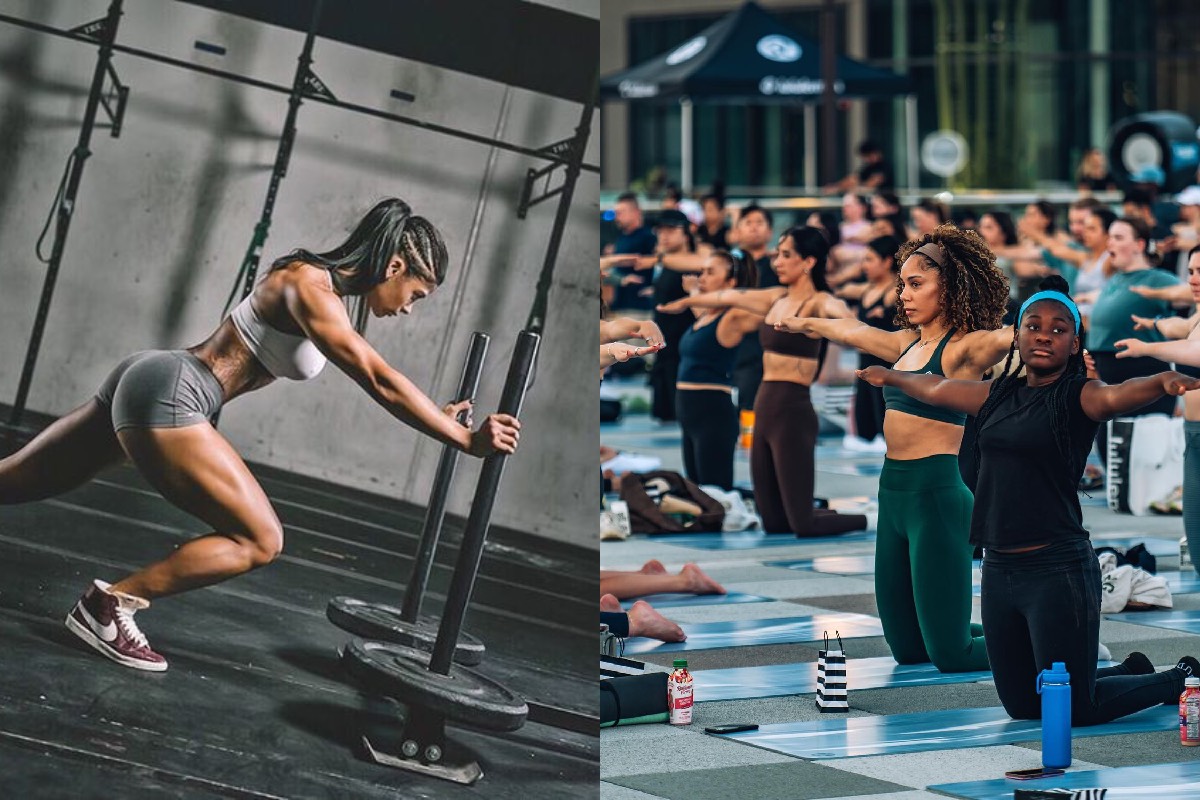

Tamil Nadu has always had a deep-rooted relationship with health and wellness. Long before fitness apps, smartwatches, and air-conditioned gyms became mainstream, the state embraced holistic living through yoga, Siddha practices, martial arts, and disciplined daily routines. Today, Tamil Nadu is witnessing a fascinating evolution — one where ancient wellness traditions coexist seamlessly with modern fitness culture.
This balance between the old and the new is what makes Tamil Nadu’s health and wellness journey truly unique.
A Legacy of Traditional Wellness
For centuries, wellness in Tamil Nadu was never about aesthetics or body goals — it was about balance. Practices like yoga were integrated into daily life, focusing on flexibility, breathing, mental clarity, and spiritual well-being. Alongside yoga, Siddha medicine emphasized natural healing, diet control, and preventive care, long before the word “wellness” became a global trend.
Traditional physical disciplines such as Silambam, Varma Kalai, and Kalaripayattu not only built strength and agility but also instilled discipline, focus, and respect for the body. These practices shaped generations that viewed fitness as a way of life rather than a task.
The Rise of Modern Fitness Culture
Fast forward to today, and Tamil Nadu’s cities are buzzing with modern fitness spaces. Gyms, fitness studios, CrossFit boxes, and yoga lounges have become common across Chennai, Coimbatore, Madurai, and Trichy. Strength training, cardio routines, HIIT workouts, and functional fitness programs are now part of everyday conversations.
Government-backed initiatives, including the upgrading of public gyms and sports infrastructure, have played a key role in making fitness accessible to people from all economic backgrounds. What was once limited to elite athletes or premium memberships is now opening up to students, working professionals, women, and senior citizens alike.
Where Tradition Meets Modern Science
What truly sets Tamil Nadu apart is how it doesn’t abandon tradition while embracing modernity. Many fitness enthusiasts start their day with yoga or breathing exercises and end it with strength training or cardio. Wellness centres now combine physiotherapy, yoga therapy, and modern workout plans under one roof.
Nutrition trends reflect the same blend. Traditional South Indian diets — rich in millets, fermented foods, vegetables, and natural spices — are now being rediscovered and aligned with modern nutritional science. Instead of extreme diets, people are choosing sustainable eating habits rooted in regional wisdom.
Cultural Acceptance of Holistic Fitness
Unlike short-lived fitness fads, Tamil Nadu’s approach leans toward sustainability. Mental health, flexibility, mobility, and recovery are gaining as much importance as muscle building or weight loss. Meditation sessions, sound healing, and mindfulness workshops are increasingly popular, especially among urban professionals dealing with stress and burnout.
Fitness is no longer restricted to gym walls. Parks, beaches, walking tracks, and open spaces are becoming community wellness hubs where people of all ages come together to stay active.
Youth, Women, and the Wellness Shift
Young people in Tamil Nadu are now exposed to both global fitness trends and traditional wisdom. This dual exposure allows them to make informed choices rather than blindly following trends. Women-focused fitness spaces, yoga groups, and wellness communities are also growing, encouraging strength, confidence, and self-care over unrealistic body standards.
This shift marks a cultural transformation — fitness is being redefined as empowerment, not pressure.
Why This Balance Matters
Blending traditional and modern fitness creates a more inclusive and realistic health ecosystem. It reduces injury risks, supports mental well-being, and encourages long-term consistency. Instead of quick results, the focus shifts to lifelong wellness.
Tamil Nadu’s model proves that fitness doesn’t have to erase cultural identity to evolve. By respecting its roots while adapting to modern needs, the state is building a healthier future that feels authentic and sustainable.
Final Thoughts
From quiet morning yoga sessions to energetic gym workouts, Tamil Nadu’s wellness journey is a powerful example of balance done right. It reminds us that progress doesn’t always mean replacement — sometimes, it means integration.
As health and wellness continue to evolve, Tamil Nadu stands strong at the intersection of tradition and innovation, showing the rest of the country that true fitness begins with harmony — of body, mind, and culture.

Comments are closed.