

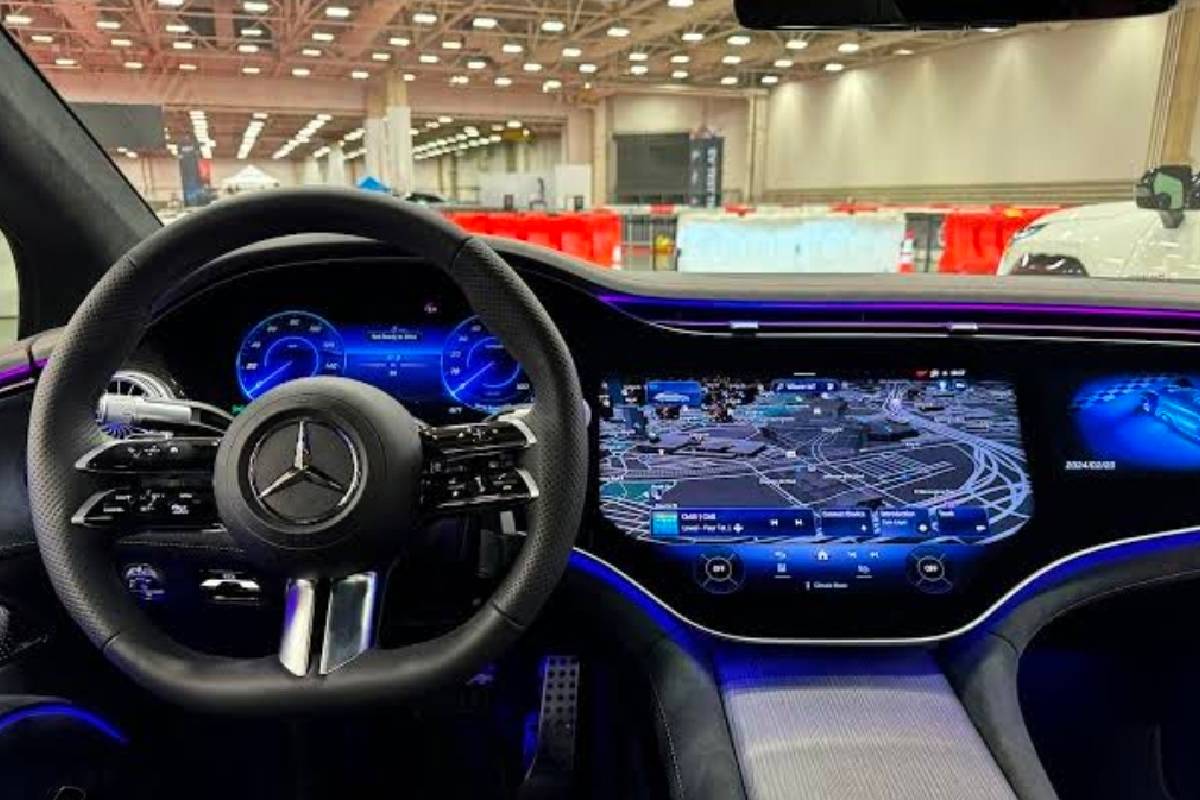
Screens Everywhere, But What Works on the Road?
Authored by Aditya Kandasamy, Automobile Enthusiast & Engineering Student.

Step into any new car today, from a Tata Nexon to a Hyundai Verna, and the first thing that grabs your attention isn’t the engine or the steering—it’s the screen. Big, glossy displays now dominate dashboards, quietly replacing the familiar knobs and buttons we’ve relied on for years. It looks clean, futuristic, almost like you’re sitting inside a smartphone. For a moment, it feels like progress.
And to some extent, it is. Screens allow carmakers to pack in features, push updates, and create a premium feel even in mid-segment cars. Models like the Mahindra XUV700 or the latest Nexon do this well—they impress instantly. Swipe through menus, customize displays, connect your phone seamlessly—it all adds to the sense that your car is more “alive” than before.
But the real test of a car isn’t in a showroom. It’s out on Indian roads.
That’s where things start to feel different.
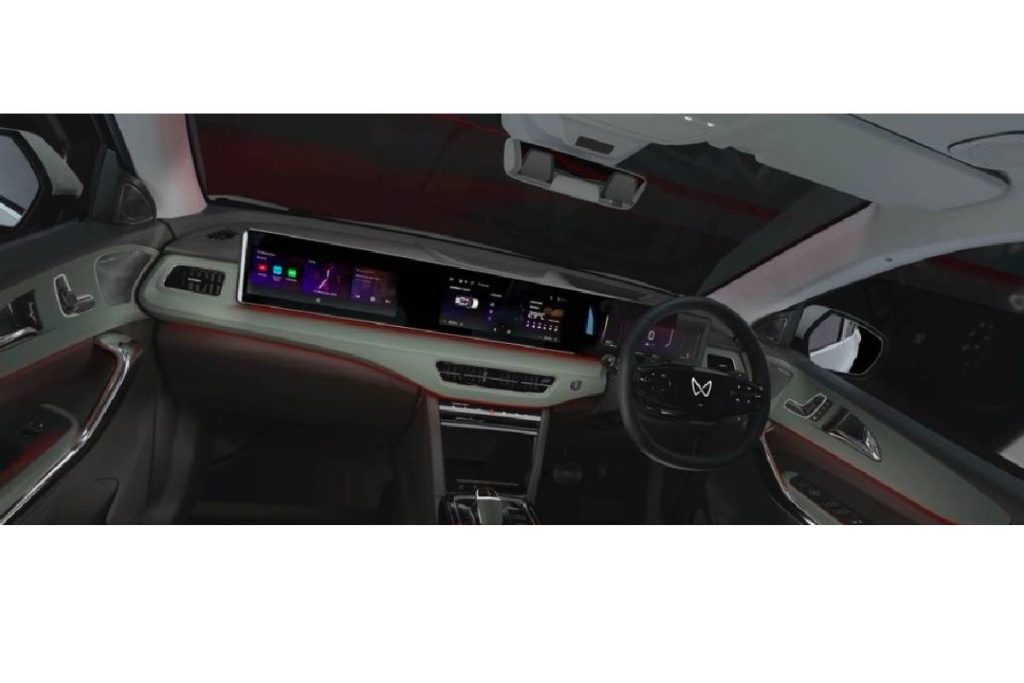 In everyday driving—tight city traffic, unpredictable roads, constant stops—you don’t want to “operate” your car like a device. You want instinct. Earlier, adjusting the AC or volume was a quick, almost unconscious action. Now, it often needs a glance, a tap, maybe another tap if the road interrupts your aim. It’s a small change, but it adds friction where there was none. Over time, that friction becomes fatigue.
The problem becomes more obvious on rough roads. Your hand moves with the car, the screen doesn’t. You miss a touch input, press the wrong icon, or end up opening a completely different menu. What should take a second suddenly takes five. It’s not just inconvenient—it pulls your attention away from where it matters.
To solve this, automakers are pushing voice commands. “Turn on AC,” “set temperature to 22,” “play music”—it sounds like the perfect hands-free solution. And when it works well, it genuinely feels convenient. But in real conditions—background noise, accents, or even slight delays—it’s not always reliable. You end up repeating yourself or going back to the screen anyway. It feels less like control and more like negotiation.
There’s also the issue of response time. Physical controls are instant. Touchscreens depend on software, and not all systems are quick. Add glare under Indian sunlight, fingerprints, and the occasional lag, and the experience starts to feel like a compromise rather than an upgrade.
What’s interesting is that carmakers themselves are beginning to admit this. Brands like Volkswagen have openly said they went too far with touch controls and are now bringing back physical buttons for key functions. Hyundai has acknowledged customer frustration and is reintroducing buttons after chasing the “wow factor” of large screens. Even premium players like Mercedes-Benz are planning to bring back knobs and switches, accepting that real-world usability matters more than minimalistic design. Porsche, Audi, and others are also moving toward a more balanced approach, keeping screens but restoring tactile controls where they matter most.
TechSpot
TechRadar
Kbb.com
mechhelp.in
Because at the end of the day, a car isn’t just a piece of tech. It’s something you use in motion, often in chaos. It needs to respond without delay, without confusion, without demanding your attention.
The best interiors today aren’t the ones that remove buttons entirely. They’re the ones that understand which buttons should never have been removed in the first place.

Comments are closed.