

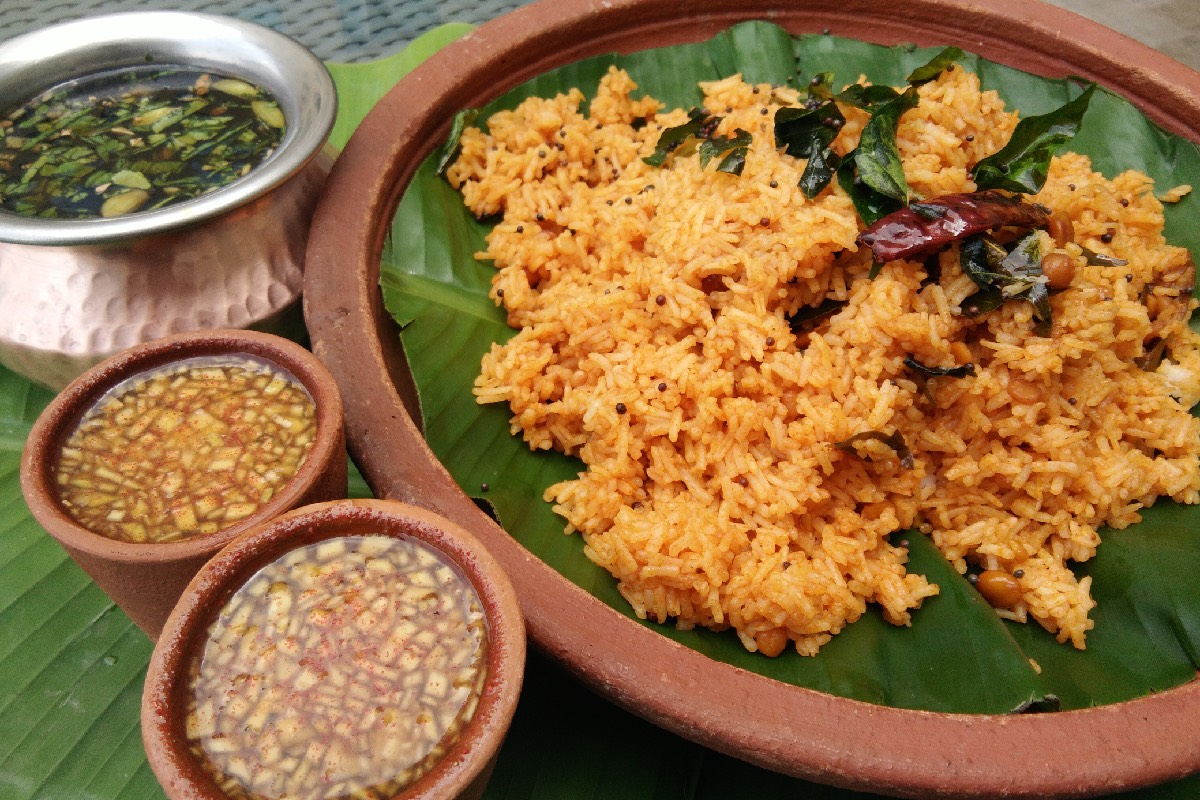
As the vibrant hues of spring paint the landscape and a new year dawns across Andhra Pradesh, Telangana, and Karnataka, homes fill with the aroma of fresh mangoes, jaggery, ghee, and spices. It’s time for Ugadi — a festival that marks new beginnings and is celebrated with age-old rituals, colorful decorations, and most importantly, a delicious spread of Ugadi special meals.
More than just a festive thali, the Ugadi meal is a symbolic feast that reflects life’s many flavors — sweet, sour, bitter, tangy, and spicy — much like the year ahead.
What is Ugadi?
Ugadi (also spelled Yugadi) signifies the start of the Hindu lunar calendar, falling in March or April. It marks Chaitra Shukla Pratipada, the first day of the new moon, and is celebrated predominantly in the southern states of Andhra Pradesh, Telangana, and Karnataka.
The word Ugadi is derived from “Yuga” (age) and “Adi” (beginning), meaning the start of a new era. It’s a time for reflection, prayer, cleansing the home (and soul), and starting anew.
The Ritual Before the Meal
Ugadi celebrations begin early in the morning with:
-
Oil bath (Abhyanga snanam)
-
Rangoli (colorful patterns outside the house)
-
Temple visits
-
Listening to Panchanga Sravanam (astrological predictions)
-
Wearing new clothes
-
Offering prayers with neem, mango leaves, and flowers
And then, comes the much-awaited feast.
Ugadi Special Meal: A Harmony of Six Tastes
At the heart of Ugadi celebrations lies Ugadi Pachadi, a unique chutney-like mixture made of:
| Ingredient | Taste | Symbolism |
|---|---|---|
| Neem Flowers | Bitter | Life’s hardships and challenges |
| Raw Mango | Sour | Surprises and tangy moments |
| Tamarind Pulp | Tangy | Emotions and ups and downs |
| Green Chilies | Spicy | Anger, passion, energy |
| Salt | Salty | Interest and flavor of life |
| Jaggery (Bellam) | Sweet | Happiness and joy |
Ugadi Pachadi teaches us that life is a mix of all emotions and experiences — and we must embrace them all.
The Festive Thali: A Celebration on a Plate
Here’s what a typical Ugadi meal looks like across South Indian homes:
Andhra & Telangana Ugadi Thali:
-
Pulihora (Tamarind Rice) – A tangy, spicy rice dish
-
Bobbatlu / Puran Poli – Sweet stuffed flatbread with chana dal and jaggery
-
Mango Dal – Moong dal cooked with raw mango pieces
-
Vankaya Kura – Spicy brinjal curry
-
Gongura Pachadi – A tangy sorrel leaves chutney
-
Payasam – A milk-based dessert with vermicelli or rice
-
Medu Vada / Garelu – Crispy lentil fritters
-
Cucumber or Beetroot Pachadi – A cooling side
-
Papad / Appadam
-
Boiled rice and ghee
Karnataka Ugadi Oota:
-
Obbattu / Holige – Sweet flatbread with coconut or dal-jaggery filling
-
Kosambari – Moong dal and cucumber salad
-
Vegetable Palya – Dry sabzi (beans, carrot, or potato)
-
Majjige Huli – Buttermilk-based curry with ash gourd
-
Chitranna – Lemon or mango-flavored rice
-
Payasa – Kheer made with jaggery, coconut milk, or moong dal
-
Happala (Papad) and pickle
The meal is traditionally served on a banana leaf, eaten seated cross-legged on the floor — adding a wholesome, grounding touch to the experience.
Health & Cultural Significance
Ugadi meals are not just delicious — they’re rooted in Ayurvedic wisdom:
-
Neem & jaggery help detoxify the body
-
Raw mangoes are rich in Vitamin C
-
Ghee improves digestion
-
Buttermilk curries keep the gut cool in the rising summer heat
The six tastes in the meal stimulate all parts of the tongue and digestive system, setting the tone for a healthy new year.
Modern Twists for Urban Kitchens
Living in a metro with no time to cook an elaborate thali? Here are some quick ideas to celebrate the spirit of Ugadi:
-
Make a simplified Ugadi Pachadi in 10 minutes
-
Try instant Puran Poli using readymade chapatis
-
Serve chilled mango panna as a festive cooler
-
Swap rice payasam for a quinoa kheer
-
Use air fryer versions of vada or pakoras
Final Thoughts
Ugadi is more than a festival. It’s a reminder to embrace every flavor of life — the sweet, the sour, the bitter, the spicy — and to start fresh with gratitude, humility, and celebration.
So this Ugadi, gather your loved ones, cook with love, serve with joy, and relish a meal that tells a story — your story of hope, resilience, and renewal.
Ugadi Subhakankshalu!
Yugadi Habbada Shubhashayagalu!

Comments are closed.