


How Sarees, Handcrafted Couture, and Traditional Indian Fashion Are Redefining Global Luxury
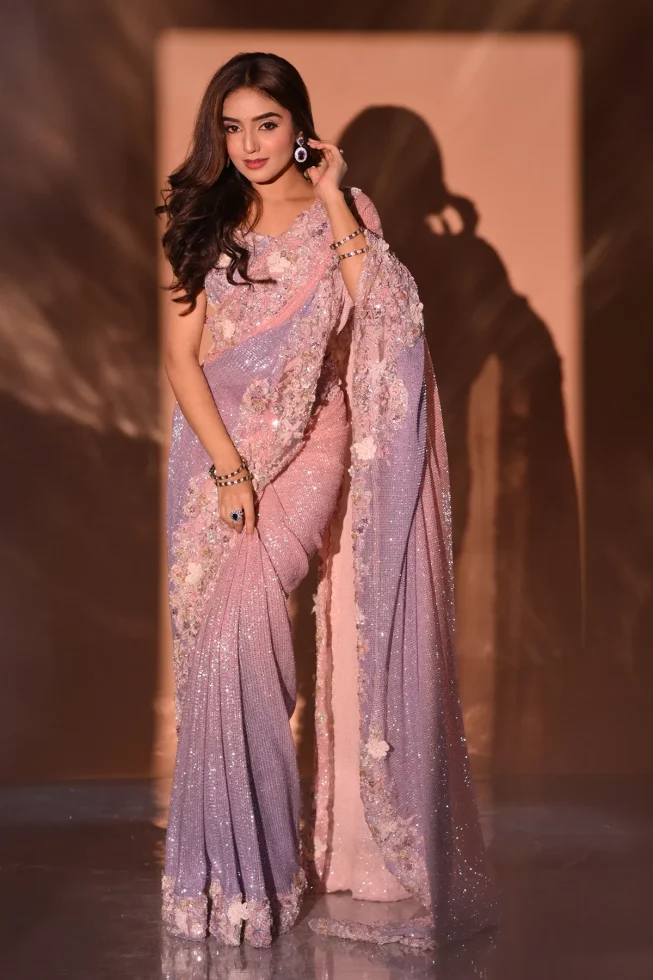
In 2026, Indian ethnic wear is no longer limited to weddings, festivals, or cultural celebrations. From international red carpets to luxury fashion weeks, traditional Indian fashion has officially become one of the biggest global style movements of the year.
The saree is making powerful appearances at global events. Handwoven fabrics are being celebrated as luxury art. Intricate Indian embroidery is inspiring international couture collections. And celebrities across the world are embracing Indian silhouettes with pride.
Fashion in 2026 is moving toward authenticity, heritage, and craftsmanship — and Indian ethnic wear fits perfectly into this new era of global luxury.
What was once considered “traditional” is now becoming fashion-forward worldwide.
The Saree Has Become a Global Fashion Statement
The saree is experiencing a major international revival in 2026.
Designers are reinventing the classic silhouette with:
- Structured drapes
- Metallic fabrics
- Contemporary blouses
- Minimalist styling
- Fusion couture aesthetics
Global celebrities, influencers, and fashion editors are increasingly embracing sarees not just as cultural attire, but as a symbol of elegance and sophistication.
At major fashion events, Indian-inspired draping styles stood alongside European couture, proving that the saree is now part of mainstream luxury fashion conversations.
The appeal lies in its versatility.
A saree can look regal, modern, powerful, minimalist, or experimental — all while staying deeply rooted in Indian identity.
Why the World Is Falling in Love With Indian Craftsmanship
One of the biggest reasons behind the rise of Indian ethnic wear is the growing appreciation for handmade fashion.
In an era dominated by fast fashion and mass production, global consumers are searching for clothing with:
- Cultural value
- Artisanal detail
- Sustainable craftsmanship
- Authentic storytelling
Indian textiles naturally embody all of these qualities.
From Banarasi weaving traditions to intricate zardozi embroidery, Indian craftsmanship offers a level of detail that luxury consumers now deeply value.
Fashion houses around the world are also drawing inspiration from:
- Handloom fabrics
- Traditional embroidery techniques
- Mughal-inspired motifs
- Temple jewelry aesthetics
- Regional textile heritage
Indian artisans are no longer working behind the scenes — they are becoming central to the future of global couture.
Bollywood and Global Celebrities Are Driving the Trend
Indian cinema and celebrity culture continue to play a huge role in making ethnic fashion globally aspirational.
Celebrities attending international festivals, fashion weeks, and luxury brand events are increasingly choosing Indian designers and traditional-inspired couture.
What makes the 2026 trend different is the styling approach.
Instead of heavily layered traditional looks, celebrities are embracing:
- Clean silhouettes
- Monochrome ethnic styling
- Contemporary drapes
- Statement textures
- Minimal accessories
- Elegant tailoring
This “modern ethnic luxury” aesthetic is resonating strongly with younger audiences worldwide.
Social media has amplified the movement even further, turning every celebrity ethnic look into an instant global fashion conversation.
The Rise of Indo-Western Fashion in 2026
Fusion fashion is becoming one of the strongest trends of the year.
Modern consumers want outfits that combine cultural identity with contemporary styling — and Indo-Western fashion delivers exactly that.
Trending styles include:
- Sarees paired with blazers
- Corset blouses with lehengas
- Ethnic jackets over western silhouettes
- Draped skirts inspired by traditional wear
- Sneakers styled with ethnic outfits
- Minimalist bridal couture
The younger generation is redefining ethnic fashion by making it wearable beyond festivals and weddings.
Ethnic wear is no longer “occasion fashion.”
It’s becoming part of everyday luxury style.
Sustainable Fashion Is Helping Indian Wear Grow Globally
Sustainability has become one of fashion’s biggest priorities in 2026, and Indian ethnic wear naturally aligns with this movement.
Handloom fabrics, slow-fashion production, and artisan-made garments are attracting eco-conscious buyers who are moving away from disposable fashion culture.
Consumers now care more about:
- Where clothes are made
- Who makes them
- Fabric quality
- Longevity
- Cultural authenticity
Indian fashion offers all of these elements while also delivering timeless elegance.
This shift is helping regional Indian craftsmanship gain long-overdue international recognition.
Why Indian Ethnic Wear Represents the Future of Luxury Fashion
The global fashion industry is entering an era where identity matters more than imitation.
People are embracing fashion that tells stories, celebrates heritage, and feels emotionally meaningful.
Indian ethnic wear stands out because it combines:
- Tradition
- Artistry
- Modern adaptability
- Sustainability
- Timeless beauty
In 2026, global fashion is no longer just looking toward Paris or Milan for inspiration.
It’s also looking toward India.
And as ethnic fashion continues evolving with modern silhouettes and global styling influences, Indian wear is proving that heritage can be both timeless and trendsetting.

Comments are closed.