

Demon Slayer: Kimetsu no Yaiba – The Anime Phenomenon That Continues to Rule Global Pop Culture

Demon Slayer: Kimetsu no Yaiba has evolved from a hugely popular Japanese manga and anime series into a worldwide entertainment phenomenon. With its breathtaking animation, emotional storytelling, unforgettable characters and spectacular action sequences, the franchise continues to attract millions of fans across the globe.
Created by Koyoharu Gotouge, Demon Slayer follows Tanjiro Kamado, a kind-hearted young boy whose life changes dramatically after a devastating tragedy. When his family is attacked by demons and his sister Nezuko is transformed into a demon, Tanjiro begins a dangerous journey to find a way to restore her humanity while battling powerful demons and becoming a member of the Demon Slayer Corps.
A Story That Connects With Audiences Worldwide
One of the biggest reasons behind Demon Slayer’s extraordinary popularity is its emotional core. Beneath the intense sword fights and supernatural battles is a story about family, sacrifice, determination and hope.
Tanjiro’s relationship with Nezuko gives the series its emotional foundation. His determination to protect his sister while fighting against overwhelming enemies has connected strongly with audiences of different ages and cultures.
The anime also explores the tragic backgrounds of its villains, giving many of its battles an emotional dimension. Instead of presenting demons as simple enemies, the story often reveals their painful pasts, making the world of Demon Slayer more complex and emotionally powerful.
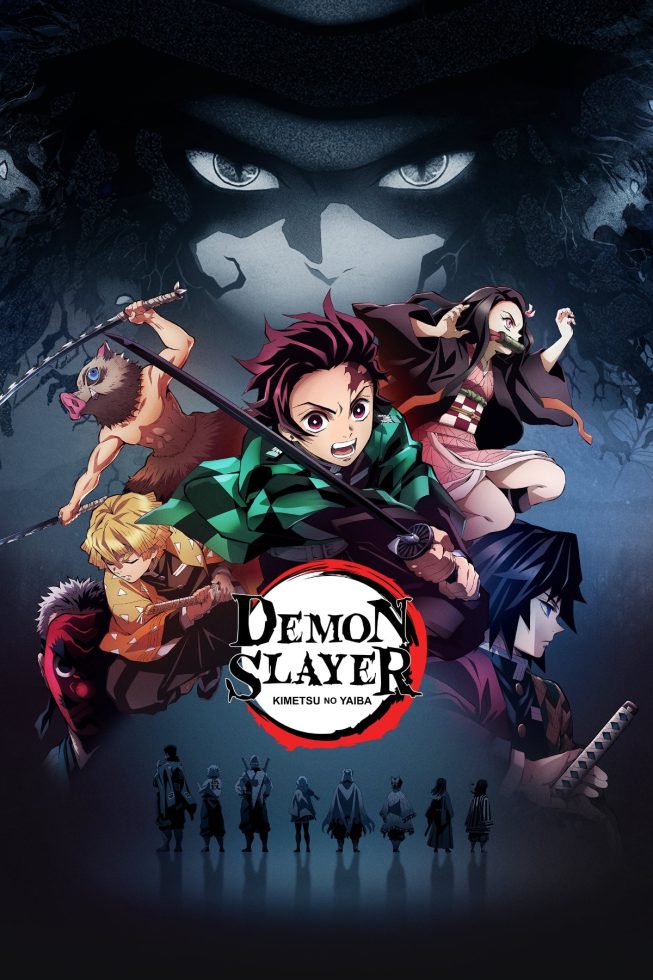
Ufotable’s Animation Changed the Anime Experience
The animation produced by ufotable has played a major role in transforming Demon Slayer into a global sensation. The studio’s combination of traditional Japanese artistic influences, detailed character designs, fluid action choreography and modern digital effects has created some of the most visually memorable moments in contemporary anime.
From Tanjiro’s Water Breathing techniques to the spectacular visual effects of Hinokami Kagura, the series has consistently delivered cinematic-quality animation.
The franchise has also demonstrated how high-quality anime production can attract audiences beyond traditional anime fandom, introducing new viewers around the world to Japanese animation and storytelling.
The Rise of Anime as Global Pop Culture
The success of Demon Slayer reflects the rapidly expanding influence of anime around the world. Anime is no longer considered a niche form of entertainment. Today, popular Japanese series have become major cultural forces influencing fashion, music, gaming, collectibles and social media trends.
Demon Slayer has been particularly successful at crossing cultural boundaries. Its characters have become instantly recognizable through fan art, cosplay, merchandise and viral social media content.
The franchise’s distinctive visual identity has also helped it stand out in the increasingly competitive global entertainment landscape.
![]() Tanjiro, Nezuko and the Characters Fans Love
Tanjiro, Nezuko and the Characters Fans Love
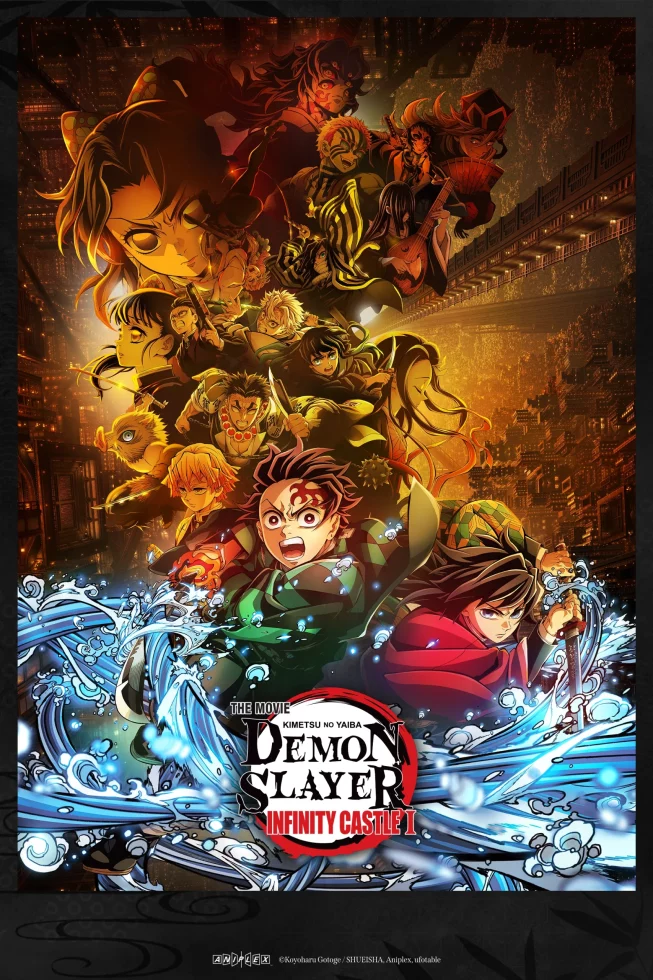 Tanjiro, Nezuko and the Characters Fans Love
The strength of Demon Slayer goes beyond its animation. Its characters have become major reasons for the franchise’s continued popularity.
Tanjiro represents kindness and determination, while Nezuko has become one of the most recognizable characters in modern anime. Zenitsu Agatsuma brings comedy and unexpected courage, while Inosuke Hashibira adds chaotic energy and humor to the group.
The Hashira, meanwhile, have become fan favorites in their own right. Characters such as Rengoku, Giyu, Shinobu, Mitsuri, Muichiro, Sanemi and others have inspired enormous global fan communities.
Each character brings a unique personality, fighting style and emotional story, making the Demon Slayer universe rich enough to support endless fan discussions and theories.
The Movie Phenomenon
The Demon Slayer franchise has also demonstrated the enormous theatrical potential of anime. Its cinematic releases have attracted audiences far beyond the traditional anime community, proving that animated Japanese films can compete for global attention on the big screen.
The success of Demon Slayer movies has helped strengthen the relationship between anime and theatrical entertainment. Fans increasingly view major anime releases as cinematic events rather than simply extensions of television or streaming series.
This trend has opened the door for other anime franchises to receive greater international theatrical attention.
Why Demon Slayer Remains a Major Trend
In 2026, Demon Slayer continues to remain relevant because its appeal extends beyond a single generation of fans. The franchise combines traditional Japanese aesthetics with modern animation technology, emotional storytelling and blockbuster-style action.
Its influence can be seen across social media, cosplay communities, gaming culture, fashion collaborations and entertainment merchandise. Every major character, battle sequence and story development has the potential to generate fresh online conversations.
The franchise has also benefited from the growing popularity of anime among Gen Z and younger audiences, many of whom discover Japanese animation through streaming platforms and social media recommendations.
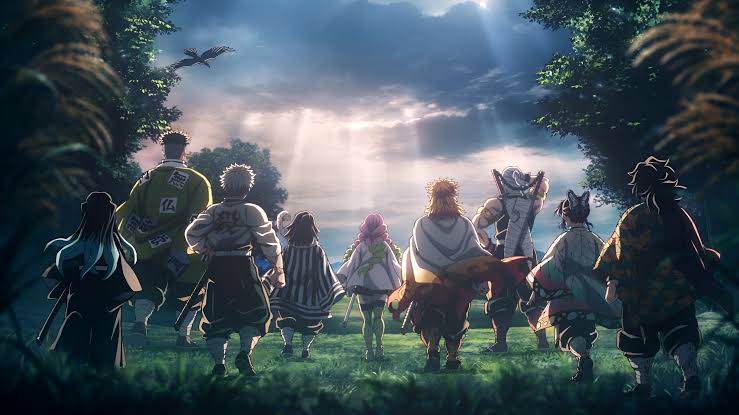
The Future of the Demon Slayer Legacy
As the story reaches its major concluding stages, interest in the Demon Slayer universe remains exceptionally strong. Fans continue to revisit earlier seasons, discuss their favorite characters and celebrate the franchise through fan communities around the world.
The impact of Demon Slayer is likely to continue long after the original storyline concludes. Its animation style, characters and emotional storytelling have already established a lasting place in modern anime history.
For a new generation of viewers, Demon Slayer represents more than an anime series. It is a global cultural phenomenon that demonstrates the power of Japanese storytelling to connect with audiences everywhere.

Comments are closed.