

Futuristic Luxury Cars: When Design Meets Imagination
The future of automotive design is no longer limited to imagination. From sculpted bodywork and unconventional colour combinations to aerodynamic silhouettes and advanced lighting systems, modern concept cars are transforming how we perceive luxury automobiles.
Futuristic car designs represent a combination of creativity, engineering and technological ambition. They challenge traditional automotive proportions while introducing fresh interpretations of speed, sophistication and performance.
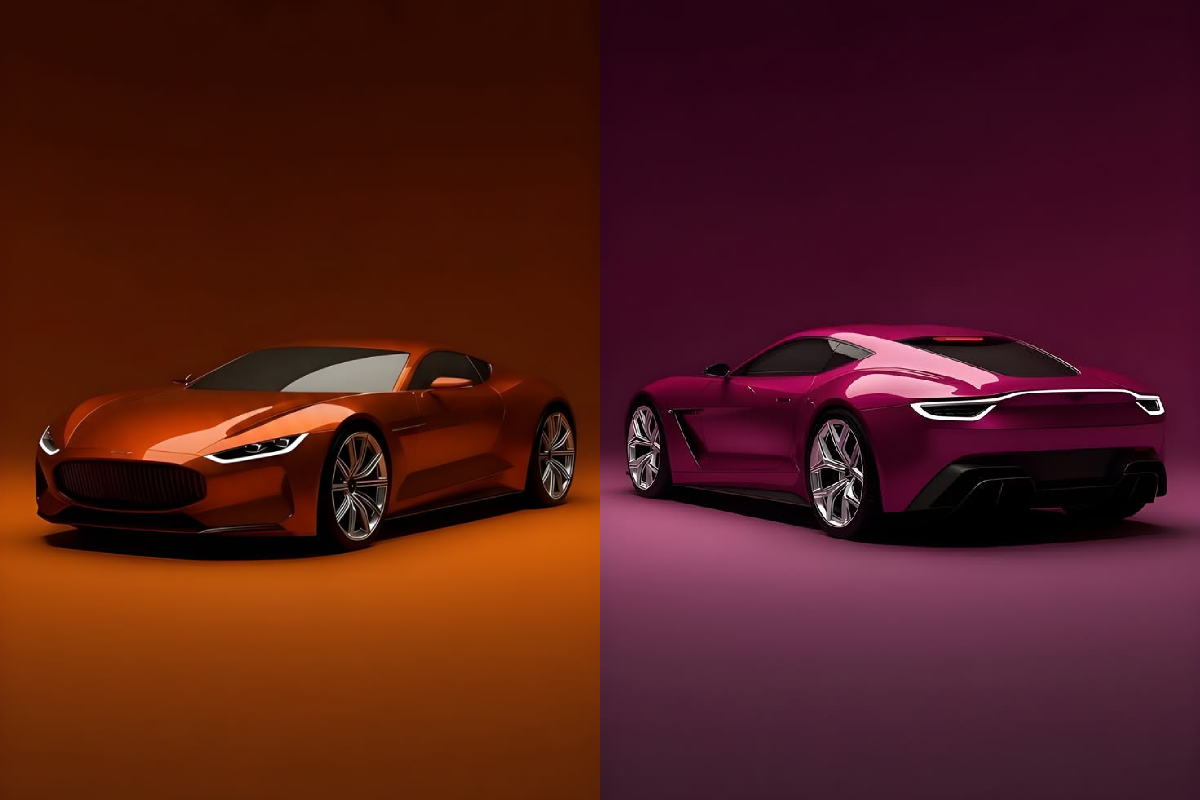
The striking orange and magenta concept cars featured here capture this design philosophy through two distinctive visual identities.
Bold Colours That Redefine Automotive Luxury
Colour has become an important element of contemporary automotive design. While traditional luxury vehicles often favour understated finishes, concept cars provide designers with the freedom to experiment.
The metallic burnt-orange finish creates a warm, energetic appearance. Its reflective surface highlights the sculpted bonnet, aggressive front fascia and carefully shaped body panels.
In contrast, the deep magenta finish introduces a more dramatic personality. The glossy exterior, contrasting black rear diffuser and distinctive LED lighting create an appearance that feels futuristic and unconventional.
Both colours demonstrate how thoughtful paint selection can completely transform a vehicle’s visual character.
Aerodynamic Silhouettes and Sculpted Bodywork
One of the defining characteristics of futuristic automobiles is their emphasis on aerodynamic styling.
Low rooflines, elongated proportions, sculpted side panels and carefully integrated lighting elements contribute to a streamlined appearance.
The orange concept features a bold front profile with a wide grille, sharp headlights and muscular wheel arches. The magenta design highlights a flowing rear silhouette with a continuous-looking lighting signature and an aggressive lower bumper.
These design elements create a visual impression of movement even when the vehicles are stationary.
The Influence of Concept Cars on Modern Automotive Design
Concept cars allow automotive designers to explore ideas beyond the limitations of conventional production vehicles.
They provide opportunities to experiment with new proportions, lighting technologies, materials, interior layouts and alternative approaches to vehicle architecture.
Although not every concept design reaches production, these creative explorations often influence future automotive styling and engineering decisions.
From minimalist dashboards to advanced driver-assistance technologies, the ideas introduced through concept vehicles help shape the direction of the automotive industry.
The Future of Luxury Automotive Experiences
Luxury automotive design is increasingly influenced by the relationship between performance, technology and sustainability.
Electric powertrains, intelligent software, advanced connectivity and innovative materials are changing the expectations of modern luxury vehicles.
Future automotive experiences will increasingly focus on combining driving excitement with comfort, efficiency and intelligent technology.
The exterior design will remain equally important, allowing manufacturers to communicate their engineering ambitions through distinctive visual identities.
Why Futuristic Car Designs Continue to Fascinate Enthusiasts
Automotive enthusiasts are drawn to futuristic concept cars because they represent possibilities rather than limitations.
Their unconventional proportions, dramatic finishes and experimental styling encourage us to imagine what the next generation of luxury automobiles might look like.
Whether through a bold orange front profile or a striking magenta rear silhouette, these designs demonstrate that automotive creativity continues to evolve.
Ultimately, the future of luxury cars belongs to those willing to rethink the relationship between engineering, aesthetics and innovation.

Comments are closed.