
The Timeless Appeal of Silk Sarees: A Celebration of Regal Indian Elegance

Silk sarees have always represented the richness, artistry and cultural heritage of Indian fashion. With their luxurious textures, intricate patterns and graceful drapes, they continue to remain a favourite for weddings, festive celebrations and special occasions. At the same time, modern styling has introduced fresh ways of wearing and presenting these traditional garments, creating a beautiful balance between heritage and contemporary fashion.
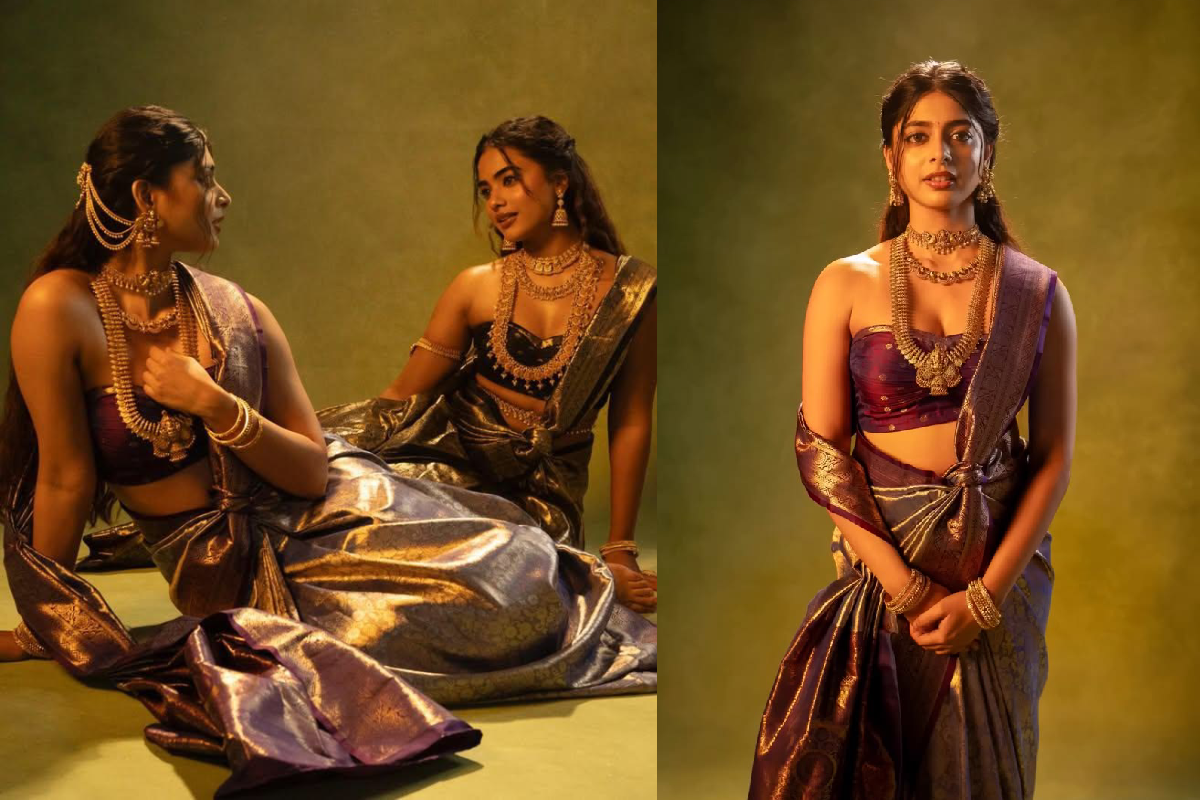
The looks showcased here capture that balance through rich silk textures, deep jewel tones, traditional jewellery and sophisticated styling. The combination of shimmering fabric and elaborate accessories creates a regal aesthetic that feels both classic and fashion-forward.
One of the most striking elements of these looks is the luxurious appearance of the saree fabric. The material catches the light beautifully, creating subtle highlights and shadows across the drape. This characteristic is one of the reasons silk continues to hold such an important place in Indian occasion wear. Its natural sheen immediately adds elegance while giving the outfit a rich and sophisticated finish.
The colour palette also contributes significantly to the overall appeal. Deep purple, burgundy and metallic shades create an atmosphere of traditional luxury. These colours have long been associated with festive Indian fashion because they offer depth and visual richness. When combined with gold-toned detailing, they create an especially striking appearance.
The blouse designs add another layer of personality to the ensembles. Instead of relying on completely traditional blouse silhouettes, contemporary styling often experiments with neckline shapes, sleeve lengths, fabrics and embellishments. This allows the blouse to become an important fashion element rather than simply serving as a supporting piece.
In these looks, the darker blouse shades complement the sarees while maintaining a strong contrast. The result is a sophisticated silhouette that highlights both the draping technique and the intricate details of the fabric.
Jewellery is undoubtedly one of the defining elements of this style. Layered necklaces, traditional earrings, bangles, chokers and statement pendants create an unmistakably regal appearance. The jewellery works particularly well with silk because the richness of the fabric provides an appropriate foundation for elaborate accessories.
Layering jewellery is a traditional styling technique that continues to remain popular in contemporary fashion. Wearing multiple necklaces of different lengths creates depth and draws attention towards the neckline. Combined with earrings and bangles, the result is a complete festive look that feels luxurious without losing its cultural character.
The styling of the hair also plays an important role. A neatly arranged hairstyle keeps the face visible and provides space for statement earrings and other accessories. Decorative hair accessories can further enhance the traditional character of the ensemble.
Another interesting aspect of these looks is the incorporation of traditional jewellery with contemporary presentation. The outfits do not feel like historical recreations. Instead, they reinterpret familiar Indian fashion elements through modern photography, confident poses and refined styling.
Lighting also contributes significantly to the visual character of the presentation. Warm, golden illumination enhances the metallic sheen of the silk and jewellery, creating an intimate and luxurious atmosphere. The earthy background tones complement the rich colours of the outfits while allowing the subjects to remain the focal point.
This type of visual styling is particularly effective for fashion editorials because it highlights the textures and craftsmanship of traditional clothing. Silk, embroidery, jewellery and draping all respond beautifully to warm lighting, making every detail more noticeable.
The seated composition provides a relaxed interpretation of traditional saree fashion. Instead of presenting the garment only through a conventional standing pose, the flowing fabric is allowed to spread naturally across the floor. This highlights the volume and movement of the saree while creating a more artistic fashion image.
The standing look, meanwhile, emphasizes the silhouette and drape. The pleats and pallu create a structured appearance, while the fitted blouse provides contrast. This demonstrates how the same traditional garment can communicate different moods depending on styling and presentation.
One of the reasons silk sarees continue to remain relevant is their versatility. They can be styled traditionally for weddings and religious celebrations or presented in a more contemporary way for fashion shoots and formal occasions. Small changes in jewellery, blouse design, hairstyle and draping technique can completely transform the final appearance.
For a classic wedding look, silk sarees can be paired with elaborate gold jewellery, traditional hairstyles and floral accessories. For a more modern interpretation, statement earrings, minimal necklaces and contemporary blouse designs can create a cleaner aesthetic.
Colour coordination is equally important. Deep jewel tones pair beautifully with antique gold jewellery, while lighter metallic shades can work with both traditional and contemporary accessories. The key is to create harmony between the saree, blouse and jewellery rather than allowing individual elements to compete for attention.
The rich purple and burgundy shades seen in these ensembles are particularly effective because they offer an alternative to more commonly chosen wedding colours. They bring drama and sophistication while maintaining the traditional character expected from Indian occasion wear.
Modern saree fashion is also increasingly embracing individuality. Rather than following a single formula, wearers are experimenting with different drapes, blouse styles, jewellery combinations and beauty looks. This freedom has helped the saree remain relevant across generations.
Traditional textiles are no longer restricted to strictly traditional styling. Designers and fashion enthusiasts are combining heritage fabrics with contemporary silhouettes, creating outfits that appeal to modern audiences while preserving the craftsmanship behind them.
The beauty of silk lies in its ability to make even a relatively simple design appear luxurious. Its texture, sheen and natural movement give the garment an inherent elegance. When combined with intricate borders, traditional motifs and carefully selected accessories, the result becomes even more striking.
These looks also demonstrate the importance of confidence in ethnic fashion. The saree may be rooted in tradition, but the way it is carried can make it feel entirely personal. A confident posture, expressive styling and thoughtful accessorising can transform a familiar outfit into a distinctive fashion statement.
For anyone planning a festive wardrobe, a high-quality silk saree remains an excellent investment. It can be worn for weddings, receptions, festivals, cultural events and family celebrations, and its styling can be changed from one occasion to another.
A statement blouse can give the saree a contemporary personality, while traditional jewellery can bring out its heritage appeal. Similarly, a simple drape can create understated elegance, whereas a more elaborate arrangement can produce a dramatic ceremonial look.
Ultimately, the enduring appeal of the silk saree comes from its ability to combine beauty, craftsmanship and cultural significance. It is a garment that has evolved across generations without losing its identity.
The rich fabrics, jewel-toned colours, traditional jewellery and graceful silhouettes showcased in these looks demonstrate why silk sarees continue to occupy a special place in Indian fashion. They represent a perfect meeting point between heritage and modern glamour.
Whether styled for a grand wedding, festive celebration or contemporary fashion photoshoot, the silk saree continues to prove that traditional Indian clothing can remain timeless while constantly finding new ways to express itself.

Comments are closed.