


Attack on Titan: The Anime Legacy That Still Rules Global Pop Culture
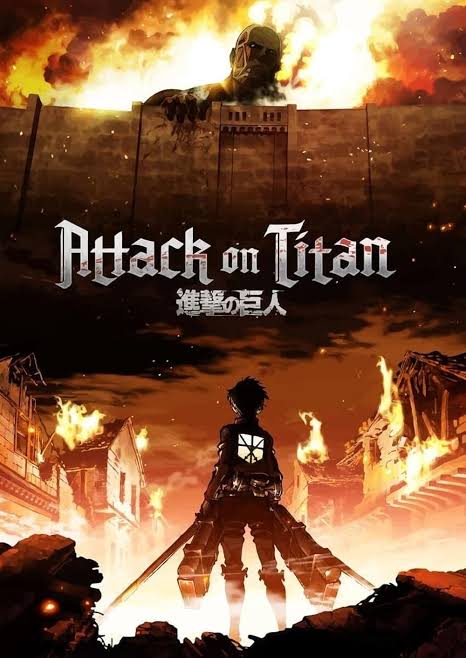
Few anime series have created the kind of worldwide cultural impact achieved by Attack on Titan. What began as a dark and ambitious Japanese manga adaptation evolved into a global entertainment phenomenon, attracting millions of viewers with its intense storytelling, unforgettable characters and thought-provoking themes.
Even after the conclusion of its main story, Attack on Titan continues to trend across social media, streaming platforms, fan communities and pop culture conversations. Its influence has reached far beyond traditional anime audiences, introducing a new generation of viewers to the emotional depth and cinematic possibilities of Japanese animation.
A Story That Changed the Anime Landscape
At its heart, Attack on Titan is a story about survival, freedom, war and humanity. The mysterious Titans, enormous walls and dangerous battles initially create the foundation for an action-packed adventure. But as the story progresses, the series transforms into something far more complex.
The narrative explores difficult questions about freedom, revenge, political power, discrimination and the consequences of war. This combination of high-stakes action and deeper storytelling helped Attack on Titan stand apart from many conventional anime series.
Its ability to constantly challenge the audience’s understanding of the story became one of its greatest strengths. Major revelations and unexpected twists kept viewers discussing theories and characters long after each episode ended.
Eren Yeager: One of Anime’s Most Discussed Characters
Eren Yeager became one of the most recognizable names in modern anime. His journey from an angry young boy determined to destroy the Titans to a deeply complicated character became one of the central elements of the series.
What made Eren particularly fascinating was the evolution of his motivations. His ideas about freedom, destiny and sacrifice created endless debates among fans, making him more than a traditional hero.
His character arc also demonstrated how Attack on Titan consistently challenged the idea of good versus evil. The series encouraged viewers to question whether the characters they supported were truly heroes or simply individuals shaped by their circumstances.
Mikasa and Levi: Fan-Favourite Icons
Alongside Eren, characters such as Mikasa Ackerman and Levi Ackerman became global fan favourites.
Mikasa’s strength, loyalty and determination made her one of the most respected female characters in anime. Her relationship with Eren added emotional depth to the story while her combat abilities established her as a powerful presence in the series.
Levi, meanwhile, became an internet sensation and a pop culture icon. His calm personality, incredible fighting skills and memorable scenes helped him develop a massive international fanbase. From fan art and cosplay to memes and merchandise, Levi’s popularity continues to demonstrate the lasting appeal of Attack on Titan.
The Rise of Anime as Mainstream Entertainment
The popularity of Attack on Titan also reflects a much bigger shift in global entertainment. Anime is no longer considered a niche form of entertainment enjoyed only by a small group of dedicated fans.
Today, major anime franchises influence fashion, music, gaming, cinema and social media culture. Young audiences around the world are embracing Japanese animation alongside Hollywood films and international streaming content.
Attack on Titan played an important role in this transformation. Its sophisticated storytelling attracted viewers who may never previously have considered themselves anime fans.
Why Attack on Titan Continues to Trend
The series remains relevant because its themes are universal. The questions it raises about freedom, conflict, identity and human nature continue to resonate with audiences.
Social media has also played a major role in keeping the franchise alive. Iconic scenes, character edits, fan theories, cosplay, artwork and emotional moments regularly circulate across digital platforms.
The series has also inspired countless discussions about its ending and character journeys. This ongoing conversation has helped Attack on Titan remain part of the global anime community even after the conclusion of its main storyline.
A New Generation of Fans
One of the most interesting aspects of the Attack on Titan phenomenon is its ability to attract new audiences. Younger viewers discovering the series through streaming platforms are experiencing the story for the first time, while longtime fans continue to revisit their favourite episodes.
This creates a unique cycle in which older fans introduce the series to new viewers, keeping its cultural influence alive.
For many fans, Attack on Titan is more than just an anime. It represents a gateway into Japanese animation and a reminder that animated storytelling can explore themes as complex and emotionally powerful as any live-action production.
The Future of the Attack on Titan Legacy
Although the main story has reached its conclusion, the Attack on Titan brand remains a major force in anime culture. Its characters, music, artwork and storytelling continue to inspire fans across the world.
The franchise’s influence can be seen in cosplay communities, collectibles, fan conventions, video games and online content. Its legacy is also reflected in the growing global demand for ambitious anime storytelling.
As anime continues to expand internationally, Attack on Titan will likely remain one of the defining titles of its generation.

Comments are closed.