

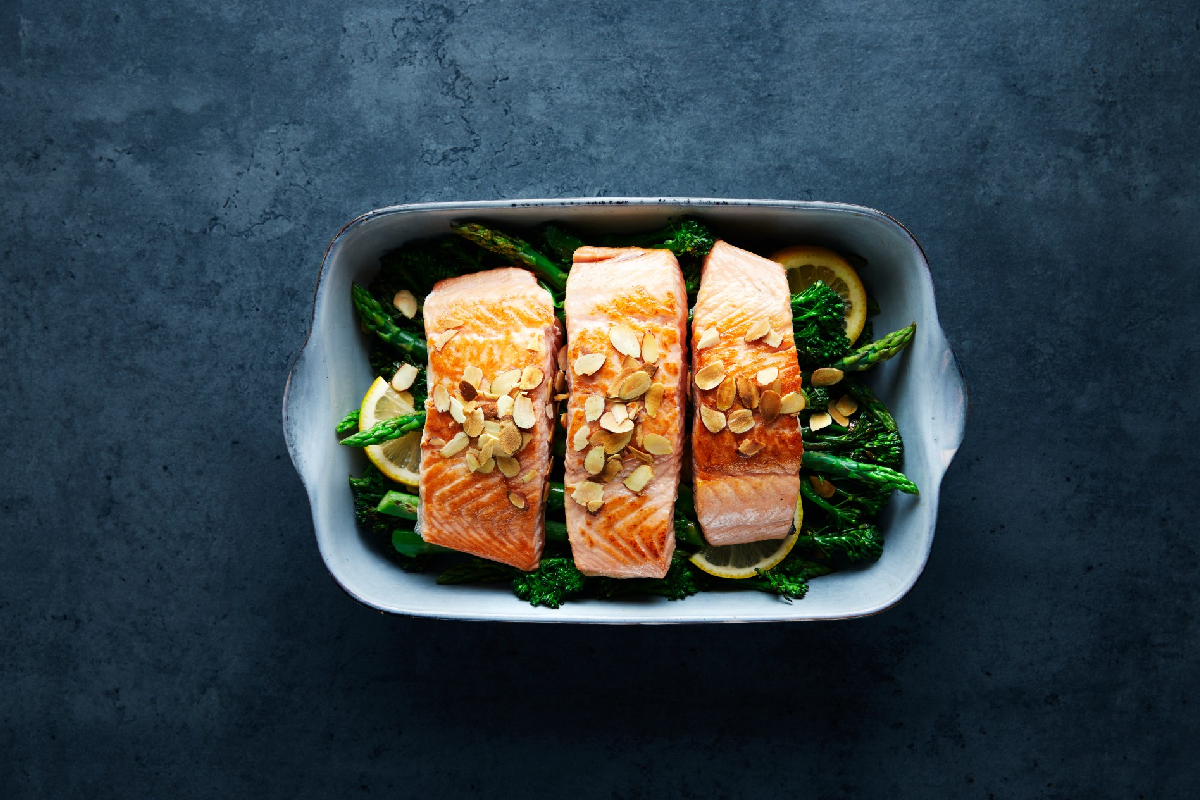
Norwegian salmon is finding a larger place in India’s food economy. Once largely the preserve of hotel kitchens and high-end restaurants, it is increasingly appearing on retail counters, online grocery platforms and quick-commerce apps, bringing a premium imported fish within easier reach of Indian consumers.
That shift comes into focus as the India-EFTA Trade and Economic Partnership Agreement (TEPA) approaches its first anniversary on 1st October 2026. The agreement marks a new chapter in India-Norway trade, with tariffs set to come down in stages as demand for international food continues to grow. For Norwegian seafood, the timing offers an opportunity to build on an already established presence and reach a broader Indian market.
The scale of that opportunity is reflected in the numbers. In 2024, India imported about 693 metric tonnes of Atlantic salmon, according to a market assessment by Ipsos for the Norwegian Seafood Council. Norway was the largest supplier, accounting for 48% of India’s total salmon imports.
Norwegian salmon exports to India recorded exceptionally strong growth in the first eight months of 2026. From January to August, total salmon exports reached 361 tonnes, up from 150 tonnes in the same period last year—an increase of 141 percent. Export value more than doubled, rising from NOK 10.8 million (INR 109.6 million) to NOK 26.2 million (INR 266.00 million) (+143%).
For now, most of that demand still comes from the hospitality sector, which accounts for around 85% of salmon consumption. Hotels and restaurants remain the main gateway for imported seafood, supported by an expanding food-service industry and a growing appetite for premium international cuisine. India is already the world’s second-largest fish consumer, and its food-service sector is growing at around 8% a year, creating new opportunities for salmon beyond its traditional market.
That expansion is expected to translate into stronger demand for Atlantic salmon. Ipsos forecasts import to grow at around 10% annually between 2024 and 2030, from approximately 693 MT in 2024 to an estimated 1,227 MT by the end of the decade. India is also projected to become the world’s third-largest food-service market by 2028, overtaking Japan, while ranking as the second-fastest-growing food-service industry globally. For Norwegian salmon, the numbers point to a market that is getting bigger, and becoming more sophisticated in what it eats and how it eats.
A wider market opens for Norwegian seafood
TEPA is already improving market access for Norwegian seafood, with tariff treatment varying by product category. Whole frozen Atlantic salmon received zero effective duty from the entry into force of the agreement, while tariffs on key categories, including fresh whole salmon, fresh and frozen fillets, and smoked salmon, are being reduced progressively and are expected to reach zero by 2029. As demand for premium seafood grows in India, this improved market access is expected to support further growth for Norwegian salmon.
Combined with rising consumer awareness, expanding modern retail and growth in food service and digital commerce channels, these changes are expected to make Norwegian salmon more accessible to a broader range of Indian consumers in the years ahead.
“India represents one of the most exciting long term growth opportunities for Norwegian salmon. We are seeing increasing interest across hospitality, retail and digital commerce channels. As market access improves under TEPA, our focus is to work closely with partners throughout the value chain to build knowledge of the quality, sustainability and traceability that Norwegian salmon is known for around the world,” said Johan Kvalheim, Industry Manager at the Norwegian Seafood Council.
To mark the first anniversary of TEPA, the Royal Norwegian Embassy in New Delhi and the Norwegian Seafood Council will host a Norwegian Seafood Dinner, bringing together key stakeholders from across the seafood value chain. The event will provide a platform for dialogue on market development, trade and future opportunities for Norwegian salmon and seafood in India, highlighting how closer economic cooperation can support long term growth, innovation and consumer access to premium seafood products.
Chef Sabyasachi Gorai of Lavaash by Saby will create a signature dish around Norwegian salmon, combining Nordic ingredients with Indian technique.

Comments are closed.