


From Fashion Runways to Smartphone Screens
Fashion in 2026 is no longer controlled only by luxury designers, celebrity stylists, or global fashion houses. Today, artificial intelligence is becoming the new personal stylist for millions of Gen Z consumers across the world. From choosing daily outfits to predicting viral trends before they explode on social media, AI-powered fashion tools are transforming how young people dress, shop, and express themselves online.
What once required expensive stylists or fashion consultants can now be done in seconds through smart apps and AI-driven platforms. Gen Z, the most digitally connected generation, is embracing technology not just for entertainment but for identity and self-expression. The result is a fashion revolution where algorithms influence wardrobes as much as celebrities do.
The Rise of AI Fashion Stylists
AI fashion stylists use machine learning, body analysis, trend forecasting, and personal preference data to recommend outfits tailored to individual users. These platforms study everything from skin tone and body shape to weather conditions and social media trends.
Apps now suggest:
- Daily outfit combinations
- Matching accessories
- Festival looks
- Date-night fashion
- Office wear styling
- Streetwear inspirations
- Sustainable shopping alternatives
Instead of scrolling endlessly through online stores, users receive curated recommendations designed specifically for their style preferences. This level of personalization is exactly why Gen Z consumers are rapidly adopting AI fashion tools.
Why Gen Z Loves AI Styling
Gen Z grew up in the era of TikTok, Instagram Reels, and instant trends. Fashion cycles move faster than ever, and young audiences want quick styling inspiration without spending hours researching trends.
AI offers:
- Instant outfit ideas
- Affordable fashion recommendations
- Trend predictions
- Personalized styling
- Virtual try-on experiences
- Confidence in styling decisions
For many young shoppers, AI feels more accessible than traditional fashion advice. Instead of following outdated fashion rules, they prefer experimental styling suggested by digital tools.
Social Media Is Fueling the Trend
The explosion of AI fashion is closely connected to social media culture. Influencers now use AI-generated mood boards, styling assistants, and virtual fashion planning apps to create viral looks.
Platforms like TikTok and Instagram have made “Get Ready With Me” content one of the biggest lifestyle categories online. AI tools simplify content creation by helping creators build trendy outfits quickly.
Many influencers even use AI to:
- Analyze engagement on fashion posts
- Predict viral colors and aesthetics
- Discover upcoming trends
- Create digital wardrobe collections
Fashion is becoming more data-driven than ever before.
Virtual Try-Ons Are Changing Online Shopping
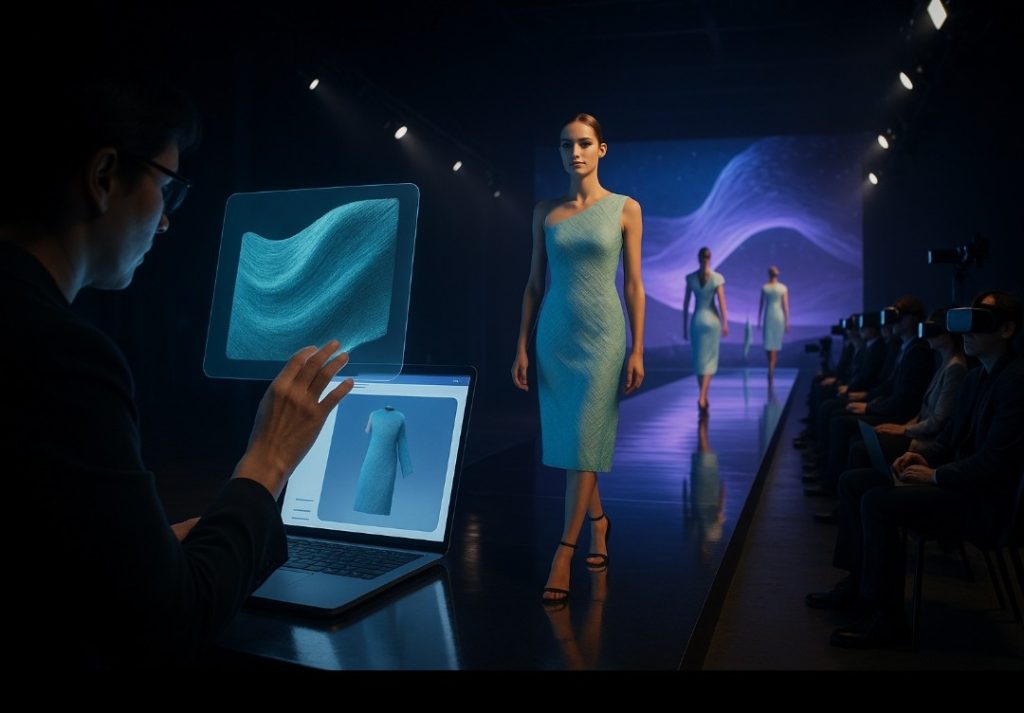
One of the biggest innovations in fashion technology is virtual try-on experiences. AI-powered mirrors and smartphone cameras now allow users to see how outfits look before purchasing them.
This technology reduces:
- Wrong purchases
- Fashion waste
- Return rates
- Styling confusion
Consumers can test different combinations digitally without stepping into physical stores. For online retailers, this creates a more interactive and engaging shopping experience.
Fast Fashion Meets Smart Fashion
AI is also reshaping fast fashion. Brands now track online conversations, celebrity appearances, and viral trends in real time. This allows companies to launch trending outfits faster than ever.
The result is a highly reactive fashion industry where:
- Viral looks become products within days
- Consumer demand changes weekly
- Fashion trends spread globally overnight
However, this rapid trend cycle has also sparked conversations about sustainability and overconsumption. Many Gen Z shoppers now prefer AI tools that recommend sustainable brands and reusable styling ideas instead of excessive shopping.
Indian Fashion Industry Embraces AI
India’s fashion industry is also entering the AI era. Young consumers in cities like Chennai, Mumbai, Bengaluru, and Hyderabad are increasingly using AI-powered shopping apps and virtual styling platforms.
Indian fashion brands are experimenting with:
- AI-generated ethnic wear recommendations
- Personalized saree styling
- Wedding outfit planning
- Festival fashion predictions
- Regional fashion trend analysis
The fusion of traditional Indian fashion with modern AI technology is creating a completely new digital fashion ecosystem.
Can AI Replace Human Stylists?
While AI offers speed and personalization, many fashion experts believe human creativity still plays a major role in luxury fashion and artistic styling. AI can suggest combinations, but emotional storytelling, cultural influence, and creative originality remain deeply human elements.
Instead of replacing designers completely, AI is becoming a powerful assistant that enhances creativity and simplifies fashion decisions.
The future may not be humans versus AI in fashion — it may be humans working alongside intelligent technology to create smarter, faster, and more personalized style experiences.
The Future of Fashion Is Digital
The rise of AI fashion stylists reflects a larger shift happening across modern culture. Fashion is no longer just about clothing; it is about technology, identity, speed, and digital influence.
For Gen Z, style is becoming interactive, personalized, and powered by artificial intelligence. As AI continues evolving, the next generation may never rely on traditional fashion advice again.
In 2026, your next stylist might not work in a luxury studio — it could simply live inside your smartphone.

Comments are closed.