

The Evolution of Fitness and Performance in the Modern Indian Premier League: A New Era of Athletic Excellence

In its early years, the Indian Premier League (IPL) was celebrated for explosive batting, packed stadiums, and entertainment-driven cricket. Fitness, while important, often took a backseat to raw talent and match-winning instincts. Fast forward to today, and the IPL has undergone a profound transformation—emerging as one of the most physically demanding and performance-driven leagues in world sport.
The Shift from Talent to Total Fitness
Modern IPL athletes are no longer judged solely on their ability to score runs or take wickets. Fitness has become the backbone of performance. Players now follow year-round conditioning programs, focusing on strength, endurance, agility, and recovery. The shift reflects a broader trend in global sport, where marginal gains can define championship outcomes.
Elite Indian cricketers like Virat Kohli have played a pivotal role in redefining fitness standards. Kohli’s transformation inspired a generation to prioritize physical conditioning, clean diets, and mental resilience—setting new benchmarks within the league.
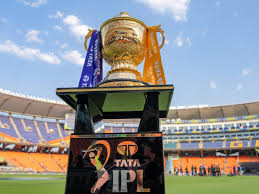
Data-Driven Performance: The Analytics Revolution
Technology has become an indispensable part of IPL training camps. Teams rely heavily on performance analytics to track player workload, injury risks, and match readiness. Wearable devices monitor heart rate, sprint speed, and fatigue levels in real time, enabling coaches to make informed decisions.
Franchises now employ dedicated sports scientists and analysts who break down every aspect of a player’s performance—from biomechanics to recovery cycles. This scientific approach ensures players peak at the right moments during the tournament.
Specialized Training and Role-Based Fitness
Gone are the days of one-size-fits-all training. Today’s IPL squads design personalized fitness regimes based on player roles. Fast bowlers focus on explosive strength and injury prevention, while batters emphasize core stability and reaction time. Fielding, once an underrated aspect, has become a game-changer—with agility drills and reflex training taking center stage.
The rise of exceptional fielders and all-rounders highlights this evolution. Players like Ravindra Jadeja exemplify how elite fitness can influence every dimension of the game—from saving crucial runs to delivering match-winning performances.
Recovery: The New Competitive Edge
In a high-intensity tournament like the IPL, recovery is as critical as training. Teams invest heavily in physiotherapy, cryotherapy, massage protocols, and sleep optimization. Managing player fatigue across a packed schedule can be the difference between consistent performance and burnout.
Mental fitness has also entered the spotlight. Sports psychologists work closely with players to build focus, resilience, and composure under pressure—traits essential in a fast-paced T20 format.
Global Influence and Rising Standards
The IPL’s evolution mirrors global trends seen in elite leagues worldwide, but it also sets its own standards. International players bring diverse training philosophies, creating a melting pot of techniques and innovations. This exchange has elevated the overall quality of cricket, making the IPL a benchmark for fitness and performance excellence.
Young Indian talents entering the league today are better prepared than ever. They arrive with structured training backgrounds, nutritional awareness, and professional discipline—ready to compete at the highest level from day one.
The Future of Fitness in the IPL
As sports science continues to evolve, the IPL is poised to become even more performance-centric. Innovations in AI-driven analytics, personalized nutrition, and injury prevention will further refine how athletes train and compete.
The modern IPL is no longer just a cricket tournament—it is a showcase of peak human performance. Fitness is not an accessory to skill; it is its foundation.

Comments are closed.