

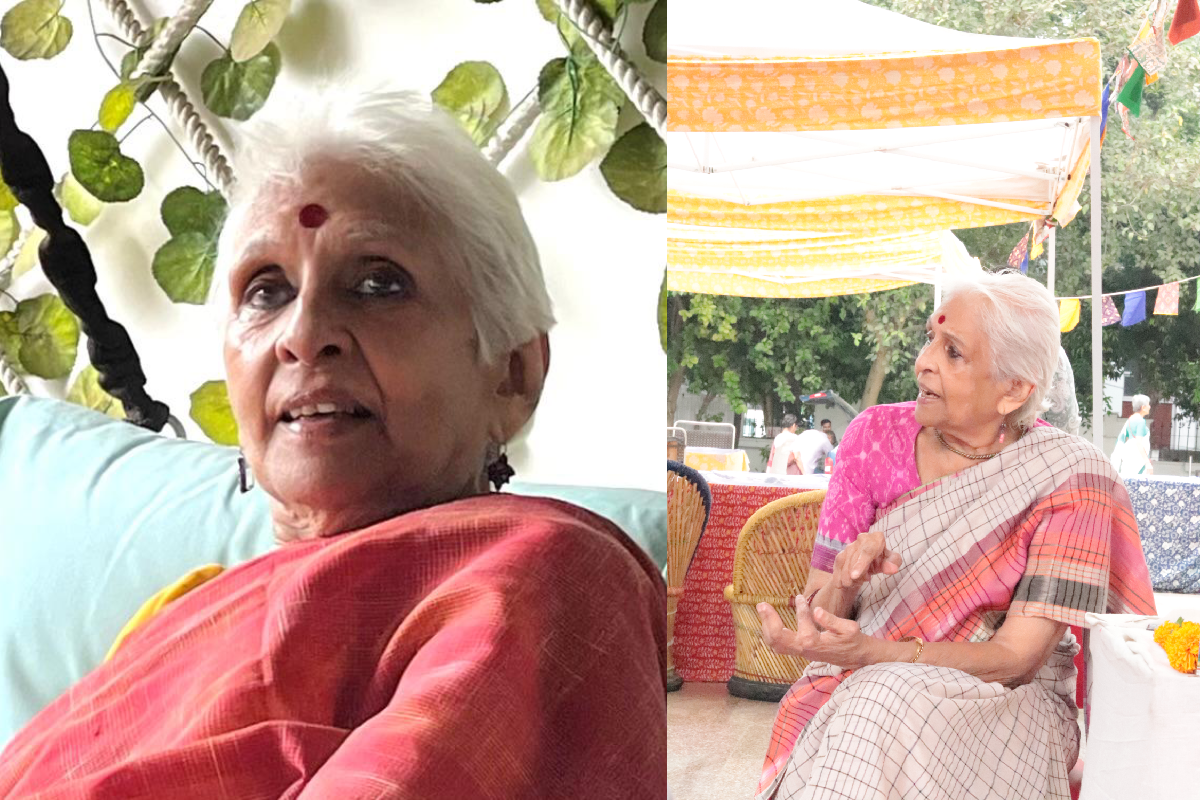
From creating platforms such as Dilli Haat to promoting traditional crafts on global stages, a veteran craft promoter discusses artisan empowerment, women’s economic independence, digital technology and the future of India’s rich handicraft heritage.
India’s traditional crafts represent centuries of cultural heritage, artistic expression and community knowledge. However, the artisans behind these creations often struggle to receive the recognition, financial opportunities and respect they deserve. Creating better marketplaces, connecting craftspeople with designers and embracing digital platforms are essential steps towards strengthening India’s handicraft sector.
In this interview, a veteran craft promoter reflects on a journey spanning nearly five decades, explaining how initiatives such as Dilli Haat have provided artisans with greater visibility and commercial opportunities. The discussion also explores women’s empowerment through crafts, India’s cultural influence on the global stage, the role of technology and the need to protect traditional craftsmanship for future generations.
A Childhood Influence That Inspired a Commitment to Crafts
Speaking about the inspiration behind the journey, the interviewee attributes the interest in crafts and social development to the influence of both parents.
“My mother loved social work and was always willing to help people in need. Whether volunteering at a small clinic or helping at a large hospital, she was always there for those who needed assistance. My father, meanwhile, had a wonderful sense of aesthetics, grace and taste, along with a deep appreciation for beautiful things.
“I believe these two qualities came together in me. They eventually led me to work with craftspeople because they create beauty and are often in great need of support and empowerment.”
Artisans Must Be Recognised as the Stars of Their Work
Artisan empowerment, according to the interviewee, begins with providing craftspeople access to new design ideas and direct marketplaces. This allows them to earn fair revenue and receive the recognition their skills deserve.
“Artisans are empowered when they gain access to new design ideas and direct access to the marketplace. They deserve the respect and revenue that reflect their hard work. Traditionally, they have often been pushed into the background, with designers, fashion runways and media coverage receiving greater attention.
“Today, artisans should be the stars. They must be recognised, celebrated and given the prominence they truly deserve.”
Dilli Haat: Bringing the Spirit of Village Markets to Urban India
Dilli Haat was conceptualised around the traditional rural marketplace, where producers and communities gather to exchange goods, ideas and experiences.
“The idea behind Dilli Haat was based on the rural marketplace, which opens in the morning and winds down in the evening. A haat could exist in a town, village or a designated area known for selling a particular product.
“Traditionally, these marketplaces offered opportunities to producers regardless of the quantity of goods they had. People exchanged products, interacted with one another and participated in a social, cultural and economic gathering.
“I wanted to formalise this traditional concept and create a platform that could function both as a shopping destination and a tourist attraction.”
The initiative helped bring traditional crafts into an organised public marketplace, giving artisans opportunities to showcase and sell their products directly to visitors.
Connecting Craftspeople with Designers and Changing Consumer Preferences
The interviewee believes that craftspeople must increasingly participate in public spaces and craft bazaars to understand changing market trends and consumer expectations.
“By coming to places such as Dilli Haat and other craft bazaars, artisans can understand changing customer demands. They can observe what is being produced in urban areas and learn about contemporary preferences.
“Interactions with designers also help them understand how to preserve their traditional skills while adapting to modern styles, ideas and products.”
Such collaborations can help traditional artisans remain relevant in an evolving marketplace without losing the identity of their craftsmanship.
India’s Traditional Crafts Have Enormous Global Cultural Influence
India’s handicraft heritage represents an extraordinary range of artistic traditions, regional identities and cultural expressions. However, the interviewee believes that the country has yet to fully recognise the international influence of its craftsmanship.
“I don’t think we realise how many countries are unaware of the incredible diversity of our craft skills. India has an extraordinary range of crafts, with immense variety and cultural expression. When international audiences see what we have, they are often highly impressed.
“We have not fully recognised the cultural influence and potential of this heritage.”
Recalling the Akshara project presented at UNESCO headquarters in Paris, the interviewee highlighted how Indian scripts expressed through crafts attracted international appreciation.
“When people from different countries interact with Indian craftspeople, they begin to understand one another through the language of craft. It becomes a powerful form of cultural exchange that goes beyond spoken language.”
How Traditional Crafts Are Empowering Women
Women’s participation in the handicraft sector has created opportunities for financial independence, confidence and greater social recognition.
“Women are among the most progressive when it comes to taking up livelihoods through crafts. They are enthusiastic about learning and understanding the importance of earning for themselves.
“Financial independence gives women greater status within their homes and outside. It also helps them feel equal to men in the marketplace.”
The interviewee emphasised that craft-based livelihoods can play an important role in strengthening women’s economic participation and independence.
Digital Platforms Offer Opportunities, While AI Raises Concerns
Digital technology has opened new avenues for artisans to promote their work, connect with customers and reach wider audiences. However, the interviewee also expressed concerns about the impact of emerging technologies, particularly artificial intelligence.
“The digital world has two important dimensions. One is using technology to promote crafts and reach a larger audience. Platforms such as Instagram and Facebook have already helped craftspeople showcase their work without necessarily depending on outside assistance.
“However, emerging technologies such as AI can also be dangerous. They can copy and modify original work, potentially destroying the genuine creativity that comes from an artisan’s hands.”
The interviewee stressed the importance of using technology to promote traditional craftsmanship while protecting the originality and creative ownership of artisans.
Showcasing India’s Craft Heritage in the New Parliament Building
One of the significant projects discussed during the interview was the creation of craft installations for the new Parliament building.
The project involved eight major installations, each based on different cultural themes and traditional craft techniques.
“The Parliament project came from a commission for the Shilpa Gallery as part of the development of the new Parliament building. We were asked to create eight major installations, each rooted in India’s cultural traditions.
“We used different craft skills, including wood carving, metalwork, Banarasi zari weaving and Sanjhi paper-cutting. Various art forms were also used to represent ten important festivals of India.
“Ajrakh printing, block printing and embroidery were incorporated to depict the charkha and chakra. Another installation featured different embroidery traditions created by women across India to represent the happiness associated with motherhood.
“One of the installations showcased India’s 22 scripts along with Braille, bringing together calligraphy and traditional artistic expressions.”
Describing the assignment as a great honour, the interviewee said the project offered an opportunity to showcase India’s diverse craftsmanship through an important national institution.
Bringing Traditional Crafts into New Industries
The interviewee believes that India’s handicraft sector has considerable scope for innovation and collaboration with industries beyond conventional craft marketplaces.
“There is much more innovation possible. Governments, designers and craftspeople themselves need to explore new opportunities with greater confidence.
“Traditional craft skills can be connected with interior designers, architects, hotels and the tourism industry. These collaborations can help craftspeople become more versatile entrepreneurs rather than limiting themselves to producing individual craft items.
“They can create entire environments and experiences around their skills, making traditional crafts relevant, necessary and increasingly in demand.”
Such collaborations could create new markets while ensuring that traditional skills remain economically sustainable.
Nearly Five Decades of Working Towards Artisan Empowerment
Reflecting on the journey, the interviewee said the most meaningful contribution has been helping craftspeople gain confidence, visibility and recognition.
“When I first started nearly 50 years ago, many craftspeople were afraid of entering the larger world. They often felt incapable because they were poor or had limited formal education. They lacked the confidence to demand respect, seek attention and present their skills confidently.
“Many of us have tried to provide them with larger platforms and ensure that they receive both revenue and respect.”
Dilli Haat remains one of the initiatives associated with this effort, providing a marketplace where craftspeople can showcase and sell their creations.
However, the interviewee also cautioned against the growing presence of intermediaries who present themselves as genuine artisans at craft bazaars, highlighting the importance of protecting authentic craftsmanship.
Looking towards the future, the interviewee emphasised the need to involve younger generations in the craft sector and build genuine relationships with artisan communities.
“We must not treat craftspeople as a separate category, class or status. We should look at them as equals in the larger world and help them grow. We must respect them and, particularly, ensure that nobody bargains for the beautiful work they create.”
The message is clear: preserving India’s craft heritage requires more than showcasing beautiful products. It demands respect for the people behind them, fair economic opportunities and a commitment to ensuring that traditional skills continue to thrive across generations.

Comments are closed.